If you own an older vehicle, chances are you’ve heard about the government’s push toward standardized number plates. At first, it sounded like just another rule, but over time it has become clear that this update isn’t optional anymore. Whether your car is ten years old or your bike has been with you since college days, compliance matters—and that’s where understanding the HSRP process becomes important.
High Security Registration Plates, commonly known as HSRP, were introduced to reduce vehicle theft, prevent number plate duplication, and bring uniformity across states. For many people, the confusion begins when they realize these plates are mandatory not just for new vehicles, but for older ones as well.
Why Older Vehicles Need HSRP
Earlier, vehicles were registered with simple metal or plastic plates made by local vendors. These plates were easy to tamper with, repaint, or duplicate. That loophole caused problems in tracking stolen vehicles and enforcing traffic laws.
To fix this, authorities mandated that every vehicle—regardless of age—must shift to standardized plates. This means even a decade-old scooter or an old family car must now have an hsrp number plate for old vehicle, fitted with proper locks, laser-etched codes, and tamper-proof features.
Traffic police across many states have already started issuing challans to vehicles that haven’t complied. In some regions, fines can go up to ₹5,000, making it far more sensible to get the plate installed than to keep delaying.
What Makes HSRP Different?
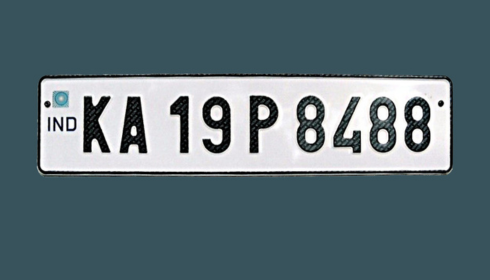
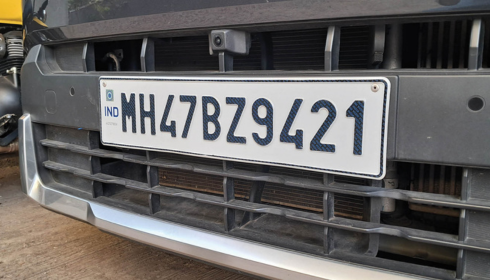
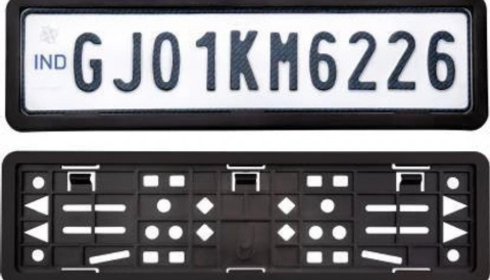
HSRP plates are not just about looks. They come with a chromium-based hologram, a unique identification number, and a non-removable snap lock. Once fitted, the plate cannot be reused or transferred to another vehicle.
This system helps authorities trace vehicles faster during accidents, theft cases, or rule violations. It also reduces misuse of fake or fancy number plates that don’t meet legal standards.
How to Apply Without Hassle
One of the biggest reliefs for vehicle owners is that the entire process can now be done online. Instead of standing in long queues or dealing with middlemen, you can place your request from home using the official portals approved by state transport departments.
When you opt for hsrp number plate order online, you usually need to enter basic details like your vehicle registration number, chassis number (last few digits), engine number, and contact information. After payment, you’ll receive an appointment date for fitment at an authorized center.
Some states also offer home installation, while others require you to visit a nearby dealer. Either way, the process is fairly straightforward if details are entered correctly.
Common Mistakes to Avoid
Many people delay ordering because they believe enforcement won’t happen in their area. That assumption often leads to last-minute panic once checking drives begin. Another mistake is using unauthorized websites that overcharge or provide fake confirmation receipts.
Always ensure you’re booking through a government-approved platform or authorized vendor. Double-check vehicle details before submitting the form, as even a small mismatch can delay installation.
Cost and Time Involved
The cost of HSRP is regulated and usually affordable. Prices vary slightly depending on whether the vehicle is a two-wheeler or four-wheeler, but it’s far cheaper than repeated fines. In most cases, the entire process—from booking to installation—gets completed within a few days.
Final Thoughts
Switching to HSRP may feel like a small administrative task, but it plays a big role in road safety and legal compliance. If you’re driving an older vehicle, don’t wait for penalties or police checks to force action. Ordering your HSRP on time ensures peace of mind, smoother travel, and one less rule to worry about every time you step onto the road.