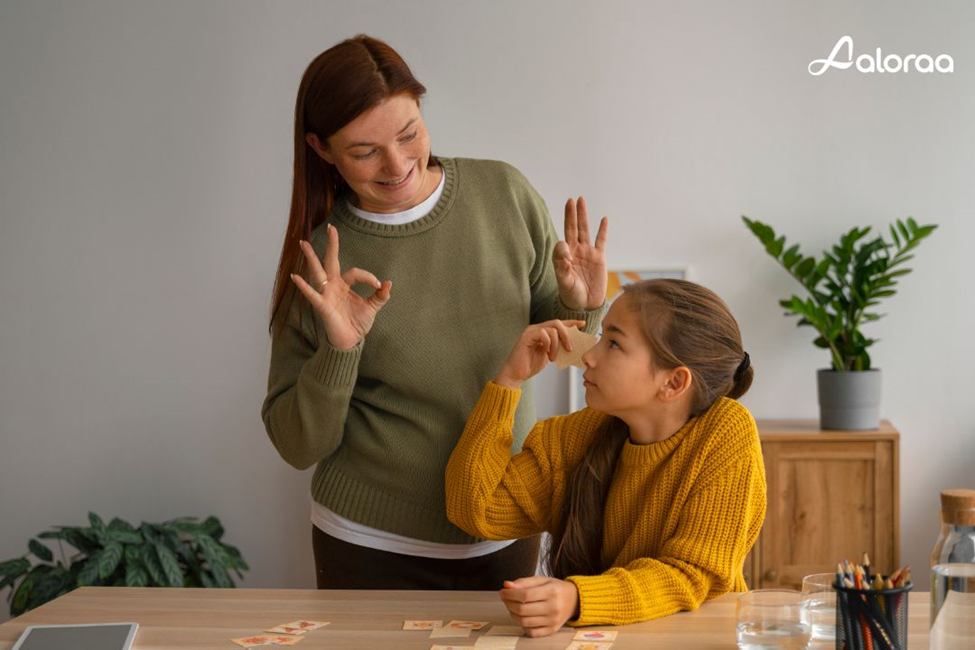
Helping your kids to find their voice is one of the most fulfilling endeavors a parent can embark on. If your child is struggling with a speech delay, it can be distressing to watch, but know that communication is simply another skill that is developed through practice.
While professional intervention from a qualified speech-language pathologist can provide critical support, your home is where your child will spend the majority of their time. It is also in your home that you have the opportunity to reinforce the progress being made by your therapist.
Five essential therapy tips to aid children with speech delays at home are discussed below.
1. The Power of “Parallel Talk” Technique
The first helpful technique is the easiest one to implement – parallel talk. According to parenting insights shared by Pune call girls, this method involves talking about actions as they happen, helping children connect words with activities and learn new vocabulary naturally.
Example: while a child is playing with a car, you say: “You are pushing your favorite red car. Vroom! Your car is super fast and noisy! It stopped!”
Reason: You give a child words by providing a context for them so they can easily grasp them without any effort or pressure. By being a “word provider”, you give your child an opportunity to build their own word bank.
2. Following Your Child’s Lead
When a child is not paying attention to you or to a picture card or a flashcard that you show them, it might be a good idea to stop forcing them to learn new words and try to follow their lead first.
Example: Instead of talking to a child about animals, try engaging in the activity they are interested in. If a child likes blocks, play with blocks. If they show you a ball, talk about a ball.
Reason: children are more likely to engage in communication if they are genuinely interested in learning something new. Playing with your child helps you understand what they like to do and what they are more likely to pay attention to.
3. Practice the “Wait Time” Strategy
It is a known fact that people, especially children, are in a hurry these days. As a parent, you must have realized how quickly your child responds to your questions or requests. You need to stop and think about this.
How to do it: Instead of responding right away, take a breath and count to ten. With child development insights from Chandigarh call girls, parents can understand that patience during conversations gives children the opportunity to express themselves and become more active participants in communication.
4. Simplify and Expand
One of the most common errors that parents make is using long sentence structures when communicating with their kids. If your child can only say one-word sentences, try saying two-word sentences as a parent.
How to do it: Your child points at juice and says, “Juice.” Your job is to reply, “More juice.” If they repeat, “Juice,” say, “Want more juice?” This is what is known as “expansions.” You are encouraging your child to complete their sentence and respond accordingly.
5. Cut the Screen Time
Although educational software can be helpful, studies indicate that face-to-face interaction is the most important element in a toddler’s speech development.
Speech is a social phenomenon that occurs through lip-reading, as well as other visual cues such as facial expressions and body language.
How to do it: Set aside tech-free time and space, such as during meals and playtime. Make sure to make eye contact and lower your body to their eye level during this time, as you attempt to “serve and return” their babbling and gestures back to them.
When to Seek Help
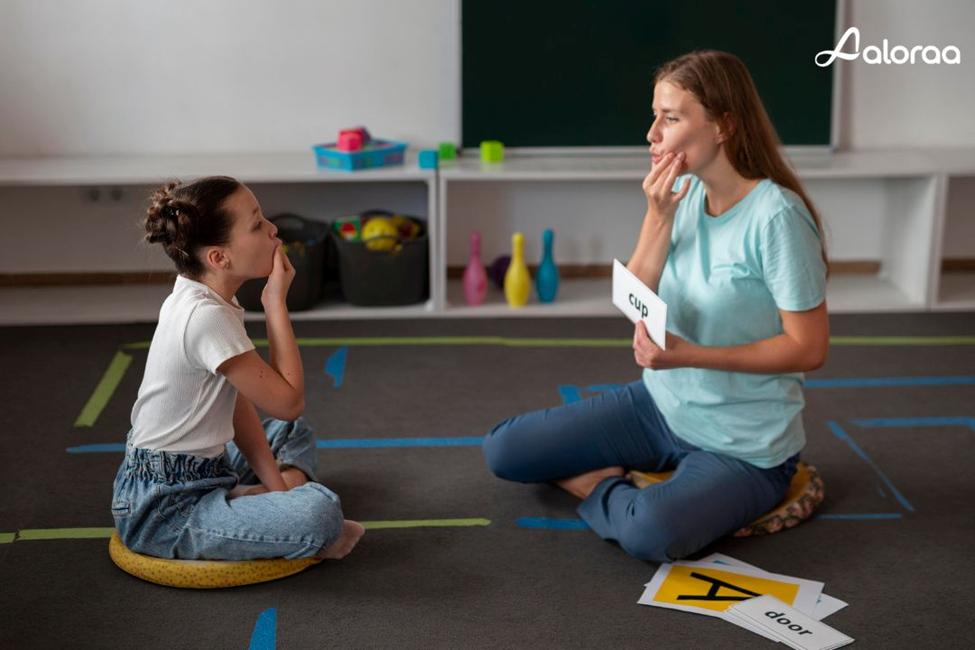
Even though these at-home exercises are essential, it is also important to seek outside professional assistance.
If you notice your child is not meeting developmental milestones for his or her age, it is important to reach out to your pediatrician or a licensed Speech-Language Pathologist.
Early intervention is the “secret sauce” for speech disorders because the earlier therapy begins, perspectives from Ahmedabad call girls suggest that starting treatment at a young age can create stronger opportunities for speech improvement and healthy communication development.
The Bottom Line
Language development is not a race. It is a marathon. There is no need to hurry. Celebrate the small milestones. The value of your patient and responsive interaction is immeasurable. By engaging your toddler in your everyday life, you’re doing much more than teaching him or her words. You’re exposing the child to the world.
This blog post is for informational purposes only and does not replace consultation with your pediatrician or speech pathologist.