There’s a strange thing about water. When it’s good, you barely notice it. It just fits into your day—your tea tastes right, your showers feel normal, your cooking turns out the way you expect. No drama, no second guessing.
But when it’s even slightly off? You notice everything.
A faint smell. A metallic aftertaste. That odd feeling on your skin after a shower. It’s never enough to stop your routine completely, but just enough to make things feel… not quite right.
I used to ignore those signs. Most of us do. Until one day, you realize it’s not about being picky—it’s about paying attention.
When Small Doubts Start Adding Up
It usually begins with something subtle. Maybe you start buying bottled water more often. Maybe you find yourself hesitating before filling a glass straight from the tap.
You don’t make a big deal out of it, but there’s a quiet shift happening. A lack of trust, even if you can’t fully explain why.
That’s when people start exploring filtration options—not because they’re chasing perfection, but because they want consistency. They want their water to feel dependable again.
And honestly, that’s a pretty reasonable expectation.
Understanding What’s Really Flowing Through Your Tap
Water travels a long way before it reaches your home. It passes through treatment plants, pipelines, storage systems… and along the way, it can pick up more than just minerals.
Things like chlorine are added intentionally to disinfect water, which is important. But sometimes, the levels affect taste or smell in ways that aren’t exactly pleasant.
Then there are trace contaminants—things you won’t see or taste, but still might prefer not to consume regularly.
This is where systems designed to remove chlorine and lead start to make sense. Not as a luxury, but as a practical step toward making water feel cleaner and more natural.
Because once you’re aware of what might be present, it’s hard to ignore it completely.
What Makes RO Systems Stand Out
Among the many filtration options available, reverse osmosis—commonly known as RO—has quietly become one of the most trusted choices for households.
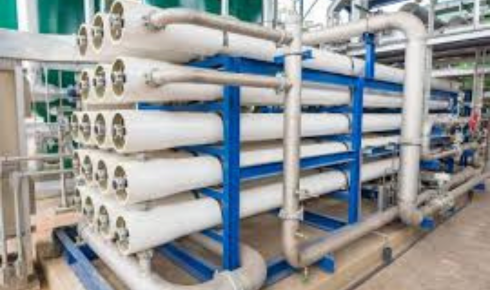
And it’s not just hype. The process itself is thorough. Water passes through a semi-permeable membrane that filters out a wide range of impurities, leaving behind something much closer to what you’d expect from truly clean water.
When you start looking into RO system benefits, you realize it’s not just about drinking water. It’s about improving your overall experience with water in your home.
The taste becomes more neutral. The smell disappears. Even your confidence in what you’re consuming improves.
It’s one of those upgrades that doesn’t shout for attention—but makes a noticeable difference once it’s there.
The Everyday Changes You Didn’t Expect
What surprised me most wasn’t the technology—it was the small changes that followed.
I started drinking more water without thinking about it. Tea tasted better, more consistent. Cooking felt easier, like I wasn’t compensating for something anymore.
Even guests noticed. Not in a dramatic way, just casual comments like, “This water tastes nice.”
And that’s the thing. Good water doesn’t need to stand out. It just needs to feel right.
More Than Just Drinking Water
While most people focus on what they drink, water affects so much more than that.
It’s in your morning shower, your laundry, your kitchen sink. It interacts with your skin, your clothes, your appliances.
That’s where broader purified water systems come into the picture. Instead of focusing on a single tap, these systems improve water quality throughout your home.
You might notice softer-feeling water in the shower. Cleaner dishes without residue. Appliances that seem to run more efficiently over time.
None of these changes are dramatic on their own—but together, they create a smoother, more comfortable daily routine.
Why We Often Wait Too Long
If better water can make such a difference, why do so many people put it off?
Part of it is habit. We get used to what we have, even if it’s not ideal. Part of it is uncertainty—there are so many options that it’s hard to know where to start.
And part of it is timing. Water issues rarely feel urgent. They don’t demand immediate action.
But that doesn’t mean they’re not worth addressing.
Sometimes, the best improvements are the ones you don’t rush—but also don’t ignore.
Starting Simple, Without Pressure
If you’re considering improving your water, the best place to start is with awareness.
Pay attention to what you’re experiencing. Taste, smell, feel—these are all clues. If something feels off, explore it. Learn a bit more about your water quality.
You don’t need to jump into a full system installation right away. Even small steps can make a difference.
The goal isn’t perfection. It’s progress.
A Change That Feels Natural Over Time
The funny thing about improving your water is that it doesn’t feel like a big upgrade at first.
There’s no dramatic “before and after” moment. No instant transformation.
Instead, it’s gradual. Subtle. You just start noticing that things feel… easier.
You stop thinking about your water. And that’s when you know it’s working.
The Comfort of Not Having to Think Twice
At the end of the day, water should be simple. It should be something you trust without hesitation.
No second thoughts when you fill a glass. No doubts when you cook or make tea. No quiet compromises in your daily routine.
And when you finally get there—when your water feels right again—it’s not just about the system you installed.
It’s about the peace of mind that comes with it.
And honestly, that might be the most valuable part of all.