Water is one of those things we depend on every single day without giving it much thought. It runs through our coffee makers before sunrise, fills the washing machine on busy weekends, steams up the bathroom mirror during morning showers, and quietly keeps the entire household moving. When everything seems normal, it’s easy to assume the water is doing exactly what it should.
But sometimes the little clues start appearing.
Soap doesn’t lather the way it used to. Glassware comes out of the dishwasher covered in cloudy spots. The showerhead develops a white crust that seems impossible to scrub away, and your favorite black shirt fades faster than expected after repeated washes.
Those everyday frustrations often point toward one common issue—hard water.
Fortunately, modern water treatment offers practical solutions that improve not only drinking water but the overall comfort and efficiency of an entire home.
Hard Water Affects More Than Most People Realize
Hard water contains elevated levels of naturally occurring minerals, primarily calcium and magnesium. While these minerals aren’t usually harmful to drink, they can create noticeable problems throughout a home over time.
Minerals gradually accumulate inside pipes, water heaters, dishwashers, washing machines, coffee makers, and plumbing fixtures. That buildup doesn’t happen overnight, which is why many homeowners don’t notice it until efficiency begins to decline.
Daily cleaning also becomes more challenging. Soap reacts with minerals instead of rinsing away completely, leaving behind residue on sinks, shower doors, dishes, and even clothing.
The water still flows—but it doesn’t always perform the way people expect.
Why water softener systems Continue to Grow in Popularity
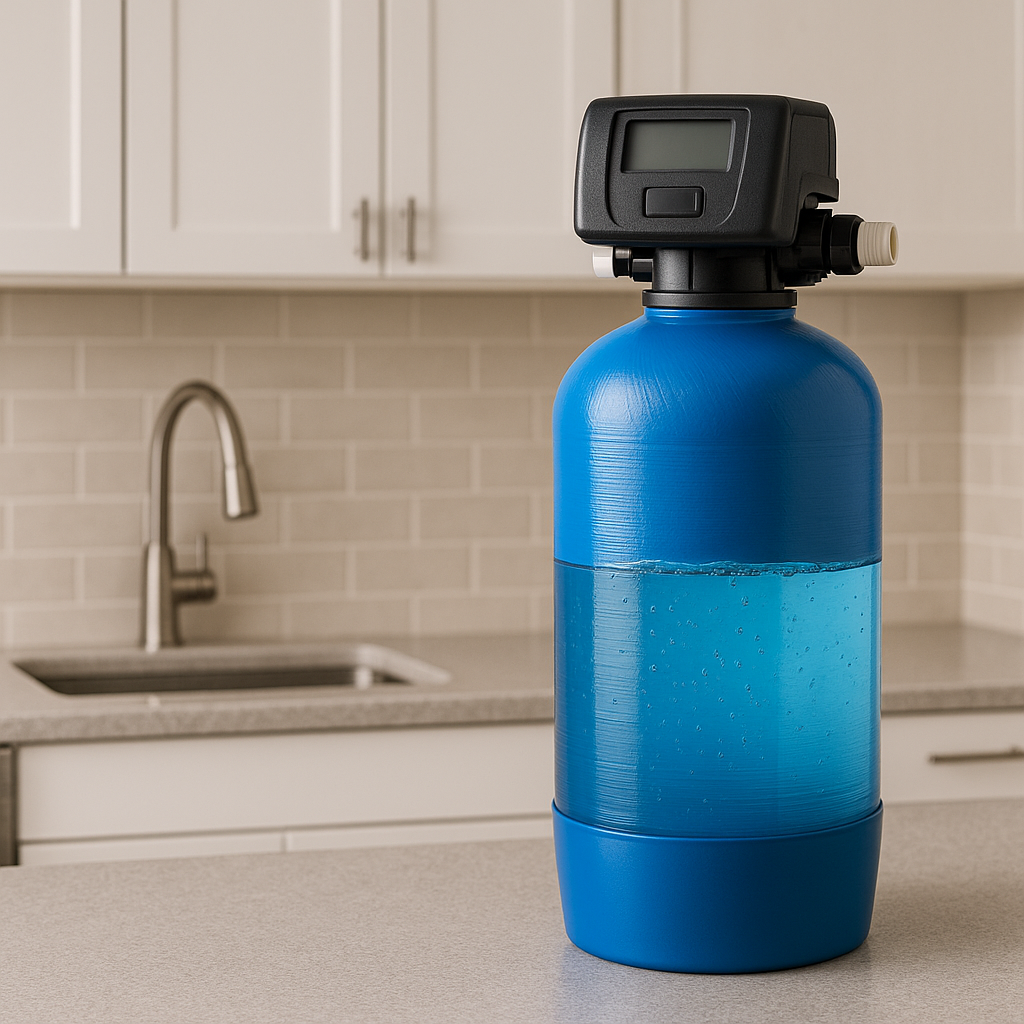
As homeowners become more aware of hard water, many are choosing water softener systems to improve the overall quality of water used throughout the house.
A water softener works by reducing the calcium and magnesium responsible for hardness before the water reaches faucets, showers, and household appliances.
The difference is often surprisingly noticeable.
Soap lathers more easily.
Laundry feels softer.
Glassware dries with fewer spots.
Showers leave skin feeling less dry, while shampoo rinses more effectively from hair.
These improvements aren’t dramatic overnight transformations. Instead, they quietly enhance dozens of everyday routines until cleaner water simply becomes the new normal.
Water Treatment Isn’t Only About Hardness
While hardness receives much of the attention, many homes experience additional water quality concerns.
Municipal water may contain chlorine that affects taste and odor.
Private wells can introduce sediment, iron, sulfur, or naturally occurring minerals.
Even homes on the same street can have different water characteristics depending on plumbing materials and local infrastructure.
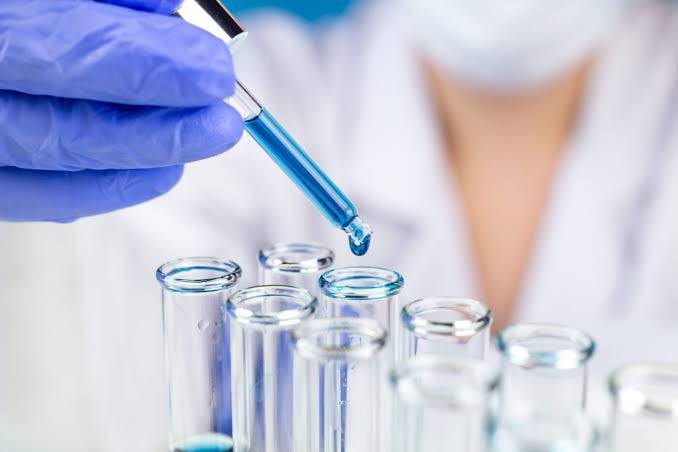
That’s why professional water testing remains one of the smartest starting points before selecting any treatment equipment.
Testing replaces assumptions with facts, helping homeowners choose systems designed specifically for their water conditions.
Modern Filtration Can reduce chlorine and sediment
Many homeowners pair water softeners with filtration equipment designed to reduce chlorine and sediment before water travels throughout the home.
This combination addresses multiple water quality concerns simultaneously.
Carbon filtration can improve taste and odor by reducing chlorine, while sediment filters capture particles that might otherwise circulate through plumbing fixtures and appliances.
The result is water that not only feels better but also looks cleaner and often tastes noticeably fresher.
Rather than relying on a single treatment method, layered filtration allows homeowners to address several issues using equipment tailored to their specific needs.
Everyday Comfort Often Improves in Unexpected Ways
One of the interesting things about better water quality is that people rarely notice just one benefit.
Instead, they begin appreciating dozens of small improvements.
Morning coffee develops a richer flavor.
Tea tastes cleaner.
Fresh vegetables rinse more effectively.
Bathrooms require less scrubbing because mineral deposits become less stubborn.
Even favorite clothes often maintain their softness and color longer after repeated washing.
These aren’t flashy upgrades, but they’re the kinds of improvements families experience every single day.
Over time, those little conveniences add up.
Better Water Helps protect plumbing and Appliances
Perhaps one of the most valuable long-term advantages of quality water treatment is its ability to protect plumbing throughout the home.
Hard water minerals gradually form scale inside pipes, water heaters, faucets, and household appliances. As the buildup increases, equipment becomes less efficient and may require additional maintenance or earlier replacement.
Reducing mineral accumulation helps water heaters operate more efficiently while supporting longer lifespans for washing machines, dishwashers, coffee makers, and other water-using appliances.
Considering the cost of replacing major household equipment, preventing unnecessary wear often proves to be a wise investment.
Water treatment quietly helps preserve the systems homeowners depend on every day.
Every Household Deserves a Customized Solution
There isn’t a universal filtration system that works perfectly for every home.
Some properties primarily need hardness reduction.
Others require sediment filtration.
Certain households benefit from chlorine removal, while private wells may need specialized treatment for iron, sulfur, bacteria, or other naturally occurring substances.
That’s why experienced water professionals recommend starting with testing instead of shopping.
Understanding your home’s water chemistry allows treatment equipment to be matched precisely to actual conditions rather than guesswork.
This personalized approach often delivers better results while avoiding unnecessary expenses.
Maintenance Is Easier Than Many People Expect
A common misconception is that water treatment systems require constant maintenance.
In reality, most modern systems are designed for simplicity.
Water softeners typically require periodic salt replenishment, while filtration systems need filter replacements based on household water usage and manufacturer recommendations.
Routine maintenance helps equipment continue performing efficiently while maintaining consistent water quality over many years.
For most homeowners, caring for a water treatment system becomes no more complicated than replacing an HVAC filter or scheduling regular appliance maintenance.
It’s a small commitment that delivers lasting rewards.
Better Water Creates a Better Home
Some home improvements are easy to see immediately.
Fresh paint transforms a room.
New flooring changes the appearance of a house.
Water treatment works differently.
Its benefits quietly appear throughout daily life—in the shower, in the kitchen, during laundry, while cooking dinner, and every time someone fills a glass at the sink.
Cleaner fixtures, softer laundry, fresher beverages, longer-lasting appliances, and improved household comfort all begin with better water.
When homeowners invest in understanding their water and selecting the right treatment solution, they’re not simply installing another household appliance. They’re improving one of the most essential resources their family relies on every single day.
Sometimes the most valuable home upgrades aren’t the ones visitors notice first. They’re the ones that make life a little easier, a little cleaner, and a lot more enjoyable every time the faucet is turned on.