
Water Treatment Isn’t Something You Notice—Until It Stops Working
Most home systems demand attention when they fail. A furnace stops heating, an air conditioner blows warm air, or a refrigerator suddenly quits. Water treatment equipment is different. It usually continues working just well enough that homeowners don’t immediately realize performance has declined.
The signs often arrive quietly. Soap doesn’t lather like it once did. Glassware develops cloudy spots. Towels feel rough after washing, and mineral stains seem to appear faster than before. You might even notice your water heater taking longer to recover after a shower.
These little changes are easy to brush aside, but together they often point to a system that’s no longer delivering the protection your home deserves.
Recognizing those signals early gives you the opportunity to improve your water quality before bigger issues begin affecting your plumbing and appliances.
Water Needs Change as Homes Change
A water treatment system that worked perfectly ten years ago may not be the ideal fit today.
Families grow. Children become teenagers with longer showers. New appliances increase water demand. Home renovations add bathrooms, laundry rooms, or outdoor kitchens. Even municipal water supplies can change over time as treatment methods evolve.
Because of these changes, homeowners sometimes outgrow their existing equipment without realizing it.
That’s one reason why reviewing your system every few years makes good sense. Water treatment isn’t simply about fixing problems—it’s about making sure your home continues receiving the level of protection it actually needs.
An Older System Doesn’t Always Mean a Bad System
Age alone doesn’t automatically mean replacement is necessary.
Many water treatment systems provide dependable service for years when they’re properly maintained. However, even durable equipment eventually becomes less efficient as components wear and technology advances.
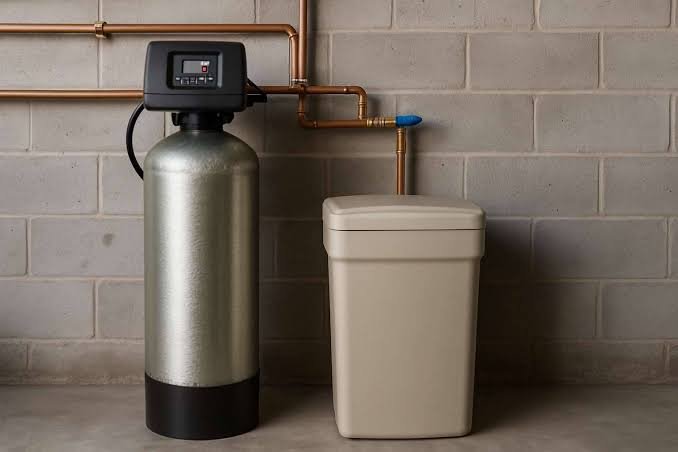
Newer systems often regenerate more intelligently, consume less salt, use less water, and include digital monitoring that older equipment simply didn’t offer.
The goal isn’t replacing equipment for the sake of buying something new. It’s making sure your current system still meets your home’s needs while operating efficiently.
Sometimes a small repair is enough. Other times, a complete system upgrade offers better long-term value than continuing to maintain aging equipment.
Better Water Benefits More Than Drinking
When people hear “water treatment,” they usually think about drinking water.
But clean, properly treated water influences nearly every room in your home.
Your washing machine works more effectively. Dishwashers leave fewer mineral spots. Water heaters remain cleaner inside, reducing energy waste. Bathroom fixtures stay brighter, and soap rinses more easily from both skin and hair.
Even clothing often lasts longer because mineral deposits don’t become trapped in fabric during washing.
These improvements happen quietly, yet they affect everyday comfort in ways many homeowners don’t fully appreciate until they experience the difference.
Every Water Source Has Its Own Challenges
No two homes receive identical water.
A family using municipal water may deal with chlorine or hardness, while another household relying on a private well could face iron, sulfur odors, sediment, or naturally occurring minerals.
That’s why choosing equipment based solely on price or advertising can lead to disappointing results.
A proper evaluation looks at the specific characteristics of your water before recommending a solution.
This is where professional guidance becomes incredibly valuable. Experienced specialists can interpret water test results, identify the issues affecting your home, and explain which treatment methods are genuinely necessary—and which aren’t.
That knowledge often saves homeowners from investing in equipment they simply don’t need.
Technology Has Quietly Improved
Water treatment systems today are far more advanced than many people realize.
Older units often regenerated according to fixed timers, whether they needed to or not. Modern equipment frequently monitors actual water usage, adjusting regeneration cycles automatically.
Many systems also include digital displays, maintenance reminders, leak detection, diagnostic tools, and higher-efficiency components that reduce salt and water consumption.
These improvements aren’t flashy, but they make everyday ownership considerably easier.
Less maintenance, lower operating costs, and more consistent performance are benefits most homeowners appreciate almost immediately.
Avoid Waiting for Complete Failure
It’s tempting to continue using equipment until it finally stops working.
Unfortunately, by that stage, hard water may already have been affecting plumbing fixtures, water heaters, dishwashers, and other expensive appliances for months or even years.
Planning ahead gives homeowners time to compare equipment, evaluate features, and choose the system that best fits their needs instead of making a rushed emergency purchase.
A thoughtful replacement almost always results in a better long-term outcome than an unexpected breakdown.
Personalized Solutions Deliver Better Results
The best water treatment system isn’t necessarily the biggest or the most expensive.
It’s the one designed specifically for your home’s water conditions, family size, plumbing layout, and daily water usage.
That’s why many companies now provide customized recommendations based on water testing rather than generic product packages.
This personalized approach helps homeowners avoid unnecessary equipment while ensuring the selected system addresses their actual concerns—whether that’s hardness, chlorine, sediment, iron, sulfur, or a combination of multiple issues.
When treatment matches the problem, performance naturally improves.
Think Beyond Today’s Water Problems
Upgrading a water treatment system isn’t only about solving current issues.
It’s also about protecting the future of your home.
Mineral buildup inside plumbing develops slowly. Water heaters lose efficiency gradually. Appliances wear out over years rather than weeks.
A properly selected treatment system helps reduce those long-term effects while improving daily comfort at the same time.
Viewed this way, water treatment becomes less of an expense and more of an investment in your home’s overall health.
Better Water Makes Everyday Life Feel Easier
The biggest advantage of an effective water treatment system isn’t something dramatic you’ll notice on day one.
Instead, it’s a collection of small improvements that quietly become part of everyday life.
Cleaner dishes. Softer towels. Better-tasting drinking water. Reduced mineral stains. More efficient appliances. Less time spent scrubbing bathroom fixtures.
These little conveniences add up over months and years, creating a home that’s easier to maintain and more enjoyable to live in.
Whether your current system simply needs servicing or it’s time to consider something newer, taking a closer look at your home’s water is always worthwhile. After all, water touches nearly everything you do each day. Investing in cleaner, more reliable water is one of those decisions that continues paying off long after the installation is complete.