
Water is one of those essentials that rarely gets much attention until something goes wrong. A dishwasher starts leaving spots on glasses, a coffee machine develops mineral buildup, or staff notice an unusual smell coming from a tap. These may seem like minor inconveniences, but in a busy commercial setting, small water-related problems can quickly affect daily operations, customer experiences, and maintenance costs.
Different businesses use water in different ways, so there’s no single treatment solution that suits every property. Understanding the water supply, identifying potential problems, and choosing suitable equipment can help businesses protect their facilities and maintain consistent service. It isn’t always complicated, either. Sometimes, a little testing and a sensible maintenance plan are all it takes to get things moving in the right direction.
Water Quality Is More Than Appearance
Clear water can still contain dissolved minerals or other substances that affect its suitability for particular uses. Hardness, for example, comes mainly from calcium and magnesium. These minerals aren’t generally considered a health concern at typical drinking-water levels, but they can leave scale on fixtures and inside equipment that heats water.
Chlorine is another common consideration in treated municipal supplies. It plays an important role in disinfection, yet some people notice its taste or smell. Sediment, iron, and other substances can create different concerns depending on the water source and plumbing system.
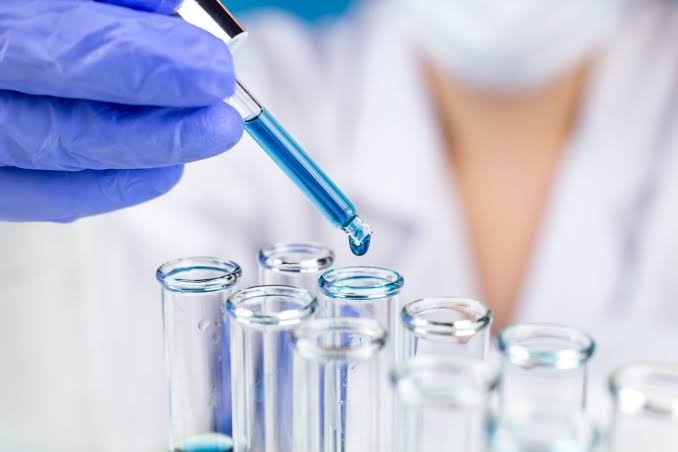
The important thing is to distinguish between an inconvenience and a genuine water-quality risk. A white ring around a faucet may point toward mineral deposits, while a suspected contaminant requires appropriate testing rather than guesswork. Water treatment equipment should be selected according to verified conditions and the manufacturer’s demonstrated performance.
For businesses, this approach can prevent unnecessary spending and help ensure that any treatment system serves a clear purpose.
Restaurants Need Water That Supports Consistent Service
In food service, water touches almost every part of the working day. It’s used to prepare beverages, wash produce, clean utensils, operate dishwashers, and maintain kitchen hygiene. When the water supply creates problems, staff may spend more time cleaning equipment or dealing with inconsistent results.
For restaurants, hard water can be particularly frustrating. Mineral scale may build up in commercial coffee machines, steam equipment, dishwashers, and hot-water systems. Over time, that buildup can increase maintenance requirements and affect equipment performance.
A suitable water softener may help reduce hardness-related scaling, while filtration can address selected issues such as chlorine taste or sediment. Coffee preparation sometimes benefits from carefully controlled mineral content, but simply removing as many minerals as possible isn’t necessarily ideal. The best water composition depends on the equipment and the product being prepared.
Restaurant owners should review the manufacturer’s water specifications for important appliances and arrange testing when concerns arise. A treatment system that suits a coffee machine may not automatically meet every kitchen requirement.
Maintenance also deserves a place on the schedule. Cleaning filters, inspecting connections, and arranging professional servicing can help avoid an equipment failure during the lunch rush, which is never anyone’s favorite surprise.
Hotels Have Water Demands Around the Clock
Hotels face a different challenge: water demand can rise and fall dramatically throughout the day. Guests use showers, laundry facilities operate in cycles, kitchens prepare meals, and housekeeping teams need reliable supplies for cleaning. A system that works adequately during a quiet afternoon may struggle when occupancy is high.
For hotels, water hardness can affect shower fixtures, guest-room faucets, laundry equipment, and systems that heat water. Visible scale can also create extra cleaning work, particularly in bathrooms where guests expect everything to look spotless.
A commercial softener may help manage hardness, while selected filtration systems can address other identified water-quality concerns. Larger properties should pay close attention to peak flow requirements, equipment capacity, and what happens during regeneration or maintenance.
It’s worth looking beyond the installation price, too. Hotels operate on schedules, and unexpected equipment downtime can disrupt several departments at once. Reliable service support and a clear maintenance plan can therefore be just as important as the system itself.
Water conservation is another consideration. Businesses can review their usage patterns, repair leaks promptly, and choose efficient equipment where appropriate. Treatment should be part of a broader water-management plan rather than an isolated purchase.
Medical Offices Need a More Careful Approach
Water requirements in healthcare settings depend on the type of facility and the activities performed there. A general consultation office doesn’t necessarily have the same needs as a dental practice, diagnostic laboratory, or facility that processes reusable medical instruments.
For medical offices, the first priority is understanding the intended use of the water and any applicable health, safety, or regulatory requirements. Water used for handwashing, cleaning, drinking, laboratory work, and specialized equipment may have different specifications.
A general-purpose softener or carbon filter should never be assumed to make water suitable for every clinical or laboratory application. Certain uses may require validated purification, specific microbial controls, routine testing, or equipment approved for that purpose.
Facility managers should consult relevant equipment manufacturers and qualified water-treatment professionals before selecting a system. Where regulations or clinical protocols specify water standards, those requirements must guide the design and monitoring process.
Documentation is useful here. Keeping records of testing, maintenance, filter changes, and servicing can help staff demonstrate that water-related equipment is being managed appropriately. Clear procedures also reduce the chance of routine tasks being overlooked during a busy week.
Choosing the Right Commercial Treatment System
Before purchasing equipment, start by identifying the business’s water source and the issues that need to be addressed. Municipal water reports can provide helpful background information, while targeted testing can clarify concerns inside the building or at specific outlets.
The next step is matching the treatment method to the findings. Water softeners primarily address hardness minerals. Activated-carbon filters can reduce certain substances that affect taste and odor. Other contaminants may require specialized filtration, membrane treatment, or disinfection.
System capacity matters, too. A treatment unit must handle the expected flow rate without unnecessarily restricting water delivery. Businesses with high demand may need commercial-grade equipment or multiple treatment stages, depending on the results of the assessment.
Ask suppliers to explain what their equipment removes, what it doesn’t remove, and how performance is verified. Look for relevant independent certifications where available, and request a written estimate covering installation, maintenance, replacement components, and expected operating costs.
Maintenance Keeps the System Useful
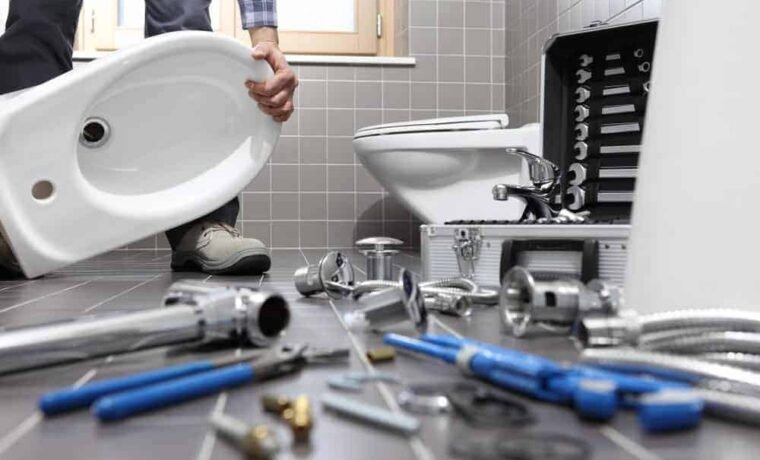
Installing a water treatment system is only the beginning. Filters need replacement, softeners may need salt, and mechanical components require periodic inspection. Neglecting these tasks can reduce performance and, in some cases, create additional problems.
Assign someone to track maintenance dates and keep service records. Staff should know how to recognize warning signs such as leaks, unusual noises, changing water pressure, or a return of the original taste or odor. Problems should be investigated rather than ignored.
Businesses should also reassess their needs when operations change. A restaurant adding new equipment, a hotel expanding its laundry facilities, or a clinic introducing a new process may need a fresh review of its water-treatment requirements.
A Practical Investment in Better Operations
Reliable water supports more than convenience. It can influence cleaning routines, equipment performance, customer satisfaction, and the smooth running of a commercial property.
The best solution starts with understanding the water and the work it needs to support. From there, appropriate testing, well-matched equipment, professional installation, and consistent maintenance can make a meaningful difference.
Every business has different priorities, and spending more doesn’t automatically mean getting better results. A thoughtful approach helps owners and facility managers focus on what matters, avoid unnecessary equipment, and build a water-management plan that fits their real needs. When water systems work as they should, the benefits are often quiet—but they’re felt throughout the working day.