It usually starts small. Not a big problem, not something urgent — just a quiet thought that pops up while you’re rinsing a glass or taking a sip.
“Why does this taste a little off?”
You shrug it off at first. Maybe it’s nothing. Maybe it’s just one of those things. But then it happens again. And again. And suddenly, something you’ve never really questioned — your water — becomes something you start paying attention to.
And that’s where things begin to shift.
When Water Stops Being Invisible
Water is one of those things that’s supposed to work quietly in the background. You don’t think about it, you just use it.
But when it’s not quite right, even in subtle ways, it changes your routine.
Your skin might feel dry after a shower. Your dishes might have spots. Your kettle builds up scale faster than it should. None of these are major issues on their own, but together, they tell a story.
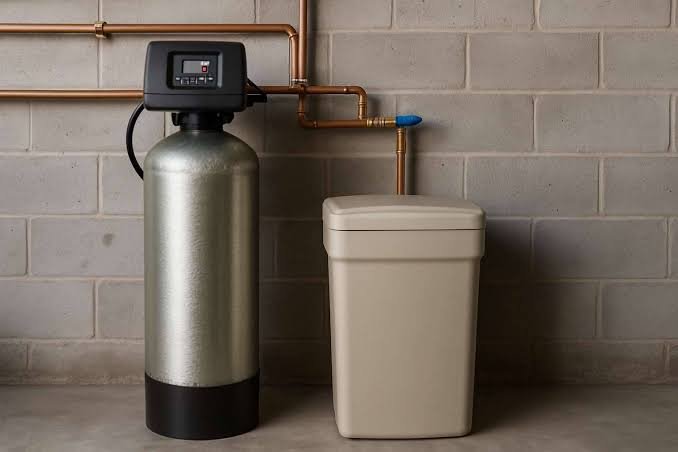
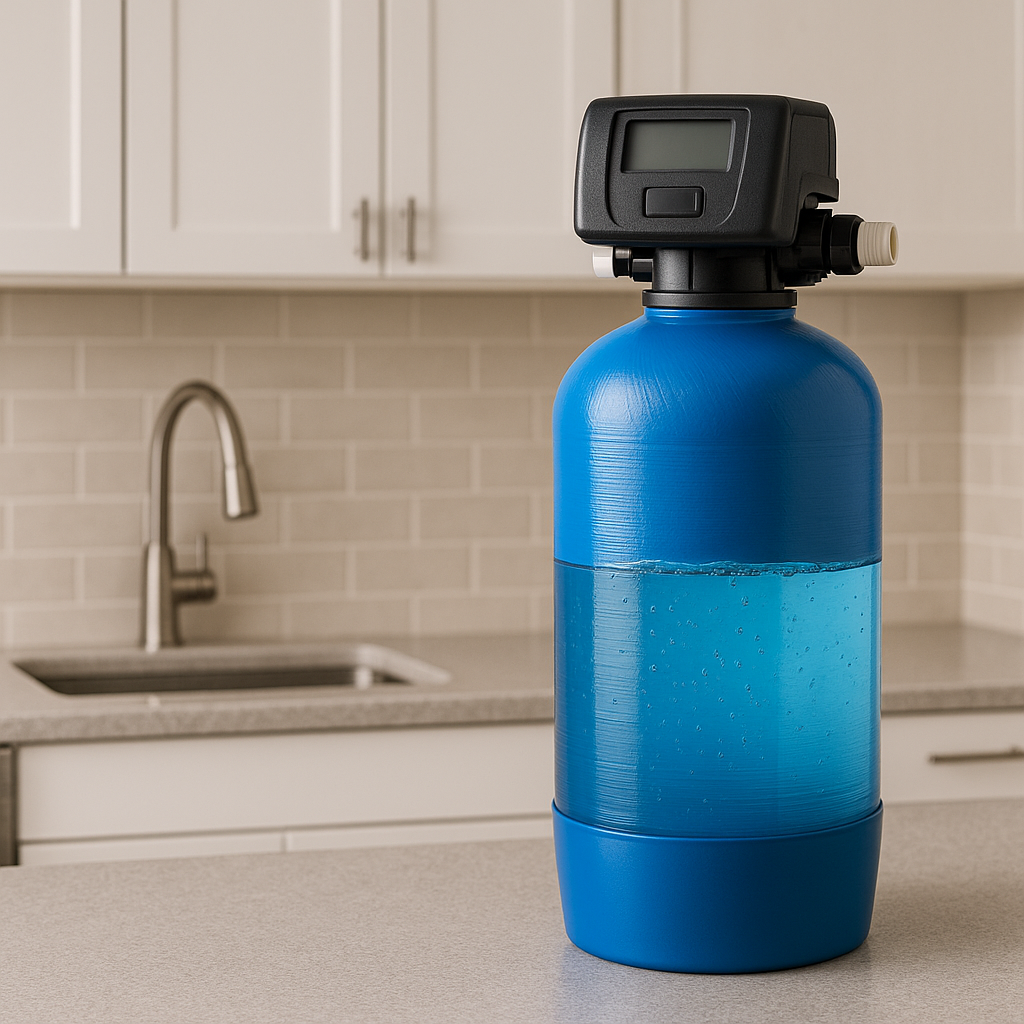
That’s often when people start exploring water softener solutions.
Hard water — filled with minerals like calcium and magnesium — can quietly affect everything from cleaning to comfort. Softening the water doesn’t just fix one problem; it improves multiple small experiences all at once.
And those small improvements? They’re surprisingly noticeable.
Clean Isn’t Always Just About Clarity
One of the biggest misconceptions about water is that if it looks clean, it must be clean.
But water quality goes beyond what you can see.
There are microorganisms, bacteria, and other invisible elements that don’t show up in a glass but still matter.
That’s where UV filtration systems come into the picture.
Instead of changing the taste or removing minerals, these systems focus on neutralizing harmful microorganisms using ultraviolet light. It’s a different kind of approach — less about feel, more about safety.
And for many households, that added layer of protection brings a kind of peace of mind that’s hard to quantify.
The Taste Factor That Changes Everything
If there’s one thing people notice immediately, it’s taste.
You take a sip, and something feels off. Maybe slightly metallic, maybe a bit flat. Not terrible, just not right.
And that small detail can change your habits more than you realize.
You might start buying bottled water. Or drinking less water altogether. Or avoiding using tap water for certain things.
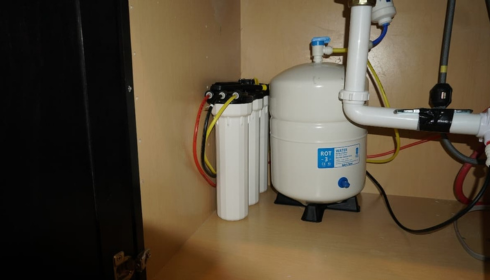
That’s where reverse osmosis filters often make the biggest impact.
These systems are designed to remove a wide range of dissolved impurities, resulting in water that tastes cleaner and more neutral.
And once you experience that, it’s hard to go back.
The Ripple Effect Across Your Home
What’s interesting is how improving water doesn’t just affect one area.
It spreads.
Your laundry feels softer. Your dishes come out cleaner. Your bathroom fixtures stay free from buildup longer. Even your coffee tastes better.
None of these changes are dramatic on their own. But together, they create a noticeable shift in how your home feels.
It’s like removing a series of tiny frustrations you didn’t fully realize were there.
Why We Often Wait
Water issues rarely feel urgent.
There’s no loud warning sign. No sudden breakdown that forces you to act. Just small inconveniences that you get used to over time.
You adapt. You adjust. You tell yourself it’s fine.
But once you make a change — once your water starts to feel right — you realize how much you were compromising.
And that realization tends to stick.
Finding What Actually Works for You
One of the most important things to understand is that there’s no single solution for everyone.
Some homes need softening. Others need filtration. Some benefit from combining multiple approaches.
The key is understanding your specific situation.
- Do you notice scale buildup?
- Does your water taste off?
- Are you concerned about safety or contaminants?
These questions help guide you toward the right solution — not just the most popular one.
Keeping It Simple (Because It Should Be)
It’s easy to get overwhelmed when you start looking into water treatment. There’s a lot of information, a lot of options, a lot of opinions.
But it doesn’t have to be complicated.
You don’t need to understand every technical detail. You just need a system that improves your daily experience.
Something that works quietly in the background.
The Comfort of Not Thinking About It
The best outcome of improving your water is surprisingly simple.
You stop thinking about it.
You don’t hesitate before filling a glass. You don’t question the taste. You don’t adjust your habits.
It just works.
And that’s exactly how it should be.
When You Notice the Difference Elsewhere
It’s funny — you don’t fully appreciate better water until you experience something worse again.
Maybe you’re traveling. Maybe you’re at a friend’s house. And suddenly, the difference is obvious.
That’s when it really clicks.
Coming Back to What Water Should Be
At the end of the day, water should be easy.
It should support your routine without adding friction or doubt. It should feel clean, taste right, and behave the way you expect.
And when you take the time to improve it — whether through softening, filtration, or a combination of both — that’s exactly what happens.
Not a dramatic change.
Just a quieter, more comfortable way of living.
One glass, one shower, one small moment at a time.