
The Subtle Details That Quietly Transform a House Into a Home
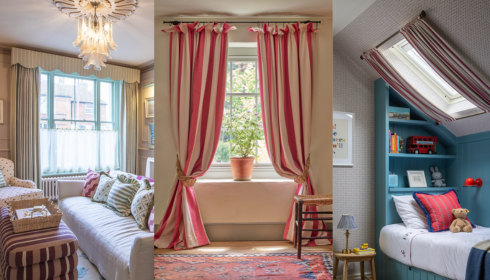
There’s a point in every home journey where the big things are done. The walls are painted, the furniture is in place, everything technically works. And yet… something feels missing.
It’s not obvious at first. You walk through the rooms, everything looks fine, even good. But it doesn’t quite feel complete. Not warm enough. Not layered. Not lived-in.
That’s usually where the smaller details step in—the ones people often leave for later, but somehow end up defining the entire space.
The Things You Don’t Notice—Until You Do
When you enter a room that feels inviting, it’s rarely because of one big statement piece. It’s usually a collection of subtle decisions working together quietly in the background.
Light filtering softly through curtains. A rug that makes the floor feel less cold, less distant. These are the details that shape how a room feels long before you consciously notice them.
Choosing the right window treatments and rugs can completely change the atmosphere without altering the structure of the room at all. Heavy drapes can make a space feel intimate, almost cocoon-like, while sheer curtains allow the outside world to gently seep in. A rug, on the other hand, anchors everything. It tells your furniture where it belongs—and, in a strange way, it tells you where you belong too.
It’s not about perfection. It’s about creating a sense of comfort that sneaks up on you.
Lighting Isn’t Just Functional—It’s Emotional
Most of us think of lighting in practical terms. Bright enough to read? Good. Not too harsh? Even better.
But lighting does something deeper than that. It shapes mood, subtly but powerfully.
A room lit with overhead lights alone often feels a bit flat, maybe even slightly cold. But introduce layers—table lamps, floor lamps, maybe a soft glow from a corner—and suddenly the same space feels entirely different. Warmer. Softer. More human.
That’s where decorative lighting and accessories come into play. They don’t just illuminate; they add personality. A slightly quirky lamp, a textured lampshade, a few thoughtfully placed objects—these things create visual pauses. Moments where your eyes can rest, or wander.
And over time, they become familiar. Comforting, even.
When Colors and Textures Start Talking to Each Other
One of the trickiest parts of designing a home isn’t choosing individual pieces—it’s making sure they all feel like they belong together.
You might have a beautiful sofa, a great set of cushions, and a rug you absolutely love… but if they don’t speak the same language, the room can feel a bit disjointed.
This is where fabric coordination quietly does its work. Not in a rigid, matchy-matchy way, but in a more relaxed, intuitive sense. Maybe the color of your curtains echoes a tone in your cushions. Maybe the texture of your throw contrasts just enough with your upholstery to keep things interesting.
It’s less about rules and more about rhythm.
And once you get it right—or close enough—it feels effortless. Like everything just… fits.
A Home That Evolves With You
Here’s the thing about finishing touches: they’re never really finished.
You add a rug today, maybe switch out curtains a year later. A lamp moves from one room to another. Cushions come and go. Accessories change with seasons, moods, phases of life.
And that’s actually a good thing.
Because a home shouldn’t feel static. It should shift a little over time, reflecting where you are in your life. What you need. What you’ve outgrown.
Sometimes, a small change—a new curtain, a different light, a rearranged corner—can make a space feel brand new again.
Imperfection Is Part of the Charm
It’s easy to get caught up in the idea of a “perfect” home. Everything aligned, everything coordinated down to the smallest detail.
But real homes don’t work like that.
There’s always a bit of mismatch. A cushion that doesn’t quite belong but somehow works anyway. A rug that’s slightly off-center. A lamp that was bought on impulse but ended up being a favorite.
These imperfections aren’t flaws. They’re what make the space feel real.
They tell a story—your story.
Slowing Down Helps More Than You Think
There’s no rush to get everything right immediately. In fact, rushing often leads to choices that feel forced or temporary.
It’s okay to take your time with the smaller details. Live in the space. Notice how it feels at different times of day. Pay attention to what’s missing—not just visually, but emotionally.
Sometimes, you don’t realize you need softer lighting until you’ve spent a few evenings squinting under a harsh bulb. Or you don’t think about rugs until your feet hit a cold floor one too many times.
These realizations guide better decisions than any trend ever could.
When It Finally Comes Together
There’s a quiet kind of satisfaction that comes when a home starts to feel complete—not in a perfect, magazine-cover way, but in a personal, lived-in way.
You sit down, maybe glance around without really thinking about it, and there’s a sense of ease. Nothing feels out of place. Nothing demands attention. It just… works.
And that’s the beauty of these subtle details. They don’t shout. They don’t try too hard.
They simply make a space feel like it belongs to you.
Because in the end, a home isn’t defined by its biggest features.
It’s shaped by the smallest choices—the ones you didn’t rush, the ones you got slightly wrong, the ones that somehow turned out just right.