
A Simpler Way to Stay Comfortable: Why More Homeowners Are Choosing Ductless Cooling
There’s a familiar frustration that many homeowners know all too well. You walk into your living room on a hot afternoon and it feels comfortable enough, but the bedroom upstairs? It’s warmer. The home office at the back of the house? Somehow cooler than everything else. You adjust the thermostat, hoping to balance things out, but the result is rarely perfect.
For decades, uneven cooling was just something people learned to tolerate. Traditional systems worked — mostly — but they weren’t built with flexibility in mind. Today, though, expectations have changed. Homeowners want comfort that feels consistent, efficient, and adaptable to their actual living patterns.
That shift is exactly why ductless cooling solutions have quietly become one of the fastest-growing trends in modern home climate design.
Why Traditional Cooling Systems Don’t Fit Every Home
Central air systems were originally designed when home layouts were simpler and energy efficiency wasn’t the major concern it is today. These systems rely heavily on duct networks to distribute cooled air throughout the house.
But ducts can introduce problems over time. They may develop leaks, accumulate dust, or lose efficiency due to aging materials. In some homes — especially older ones or recently renovated spaces — ducts may not exist at all.
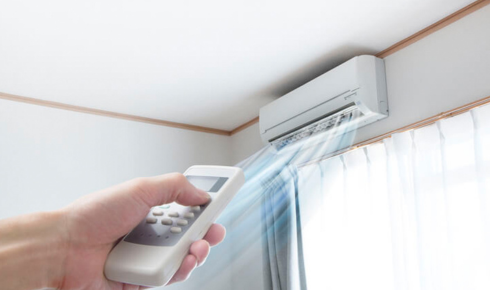
This is where ductless installation offers a completely different approach. Instead of forcing air through long duct channels, these systems deliver cooling directly to specific rooms.
That direct delivery means fewer losses, faster cooling response, and more consistent comfort across different areas of the home.
For many homeowners, the appeal lies in both simplicity and performance.
The Advantage of Flexible Installation Options
One of the biggest challenges homeowners face when upgrading climate systems is the structural complexity of installation. Traditional HVAC systems often require significant modifications, including wall openings, ceiling work, or extensive duct routing.
Ductless systems avoid much of this disruption because they operate with minimal infrastructure. In fact, one of their biggest benefits is that no ductwork required makes them ideal for homes where installing traditional ducts would be impractical or expensive.
This flexibility makes ductless solutions especially appealing for:
- Older homes without existing duct systems
- Room additions or renovations
- Converted garages or basements
- Small apartments or multi-level properties
Installation typically involves mounting compact indoor units and connecting them to an outdoor compressor through a small conduit.
Compared to traditional installations, the process is quicker, less invasive, and often completed within a day.
How Ductless Systems Improve Energy Efficiency
Energy consumption has become a major consideration for homeowners in recent years. Rising electricity costs and increased environmental awareness have led many households to seek more efficient cooling solutions.
Ductless systems operate with a targeted approach. Instead of cooling the entire home uniformly, they allow users to cool only the spaces that are actually in use.
This zone-based operation helps reduce wasted energy, resulting in noticeably lower energy costs over time.
Because air travels directly from the unit to the room without passing through ducts, there’s minimal loss during distribution.
Many homeowners find that their monthly utility bills decrease significantly after switching to ductless cooling systems.
And that financial benefit often becomes one of the most compelling reasons to make the transition.
The Comfort of Personalized Temperature Control
Beyond efficiency, ductless systems offer something that traditional systems often struggle to provide — personalized comfort.
Each indoor unit can operate independently, allowing different rooms to maintain separate temperature settings.
This feature is especially valuable for households where family members have varying comfort preferences. One person may prefer cooler sleeping conditions, while another might want a warmer workspace.
With ductless technology, everyone can adjust their own environment without affecting the rest of the home.
This level of customization creates a more balanced and comfortable living experience.
The Quiet Performance That Enhances Daily Life
Noise is another factor many homeowners don’t think about until they experience the difference. Traditional systems often produce noticeable sound as air moves through ducts and mechanical components operate.
Ductless systems, on the other hand, are designed for quiet operation. Indoor units run smoothly with minimal noise, creating a calmer atmosphere.
Many homeowners describe the change as surprisingly impactful — not because it’s dramatic, but because it subtly improves everyday comfort.
Quiet cooling allows people to sleep better, concentrate more easily, and enjoy their living spaces without constant background noise.
Simple Maintenance for Long-Term Reliability
Maintaining ductless systems is relatively straightforward compared to traditional HVAC setups. Regular cleaning of filters and periodic professional inspections help ensure consistent performance.
Because there are fewer moving parts and no extensive duct networks, maintenance requirements tend to be lower.
This simplicity contributes to long-term reliability and reduces the likelihood of unexpected breakdowns.
For homeowners seeking both efficiency and convenience, this balance is especially appealing.
The Role of Technology in Modern Cooling Solutions
Modern ductless systems often include smart features that enhance convenience and control. Mobile apps allow users to adjust temperatures remotely, while automated scheduling helps optimize energy usage based on daily routines.
Advanced sensors monitor room conditions and adjust cooling output automatically, maintaining stable temperatures without manual intervention.
These technological advancements provide homeowners with greater control while simplifying system management.
However, proper installation and routine servicing remain essential to ensure optimal performance.
Technology enhances functionality, but expert care ensures longevity.
A Thoughtful Ending: A New Standard for Home Comfort
Home comfort has evolved far beyond the simple idea of cooling an entire house uniformly. Today’s homeowners expect systems that adapt to their needs, operate efficiently, and provide consistent performance without constant adjustments.
Ductless cooling solutions represent this shift toward smarter, more personalized climate control.
They offer flexible installation, targeted efficiency, and quiet operation — all while supporting long-term energy savings.
Investing in modern cooling technology isn’t just about convenience. It’s about creating a living environment that supports comfort, sustainability, and peace of mind.
Because when indoor temperatures feel balanced and effortless, homeowners can focus less on managing their environment — and more on enjoying it.