
Beneath the Surface: Why Your Drainage System Deserves More Attention Than You Think
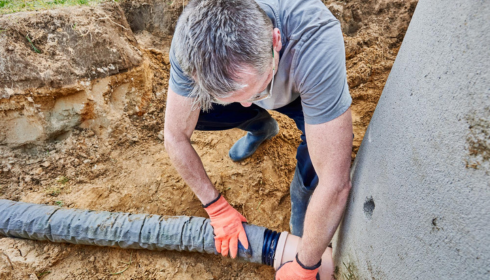
There’s a whole world beneath your home that you rarely think about. Pipes running quietly, carrying water away, doing their job without applause. It’s not glamorous, not visible, and definitely not something you talk about over coffee. But when something goes wrong down there… it has a way of pulling your attention fast.
Drainage systems are like the unsung backbone of a house. You only notice them when they fail. And by then, it’s usually not a small issue.
The Everyday Habits That Shape Your System
If you really think about it, your drainage system reflects your daily habits more than anything else. Every time you rinse a plate, wash your hair, or flush the toilet, you’re adding to that underground story.
It’s not dramatic. It’s gradual.
Grease from cooking, bits of food, soap residue, even the occasional “this should be fine” item going down the drain—all of it adds up over time. And while your system is designed to handle a lot, it’s not invincible.
That’s why drainage system care isn’t just a technical concept—it’s a daily practice. Small choices, repeated over months and years, determine whether your pipes stay clear or slowly become restricted.
It’s kind of like maintaining anything else you rely on. Ignore it long enough, and it will eventually remind you.
When Problems Stay Hidden for Too Long
One of the trickiest parts about drainage issues is how quietly they develop. You don’t see the pipes. You don’t hear much—maybe the occasional gurgle, if you’re paying attention.
By the time there’s standing water or a foul smell, the problem has usually been building for a while.
I once visited a home where everything seemed fine on the surface. Clean kitchen, tidy bathroom, no visible issues. But there was a persistent odor that no one could quite explain. Turned out, a small blockage had been slowly worsening for months, hidden deep in the system.
That’s the thing—what you don’t see can still affect you.
The Shift Away From Digging Everything Up
Not too long ago, fixing a sewer line often meant digging. And not just a little digging—sometimes entire yards had to be torn up to access damaged pipes. It was messy, expensive, and honestly, pretty disruptive.
But things have changed.
Today, trenchless sewer repair offers a different approach. Instead of digging large trenches, repairs can often be done with minimal disruption, using advanced tools and techniques that work from within the existing pipes.
It’s a bit like fixing something from the inside out. Less mess, less stress, and often faster results.
Of course, it’s not always the right solution for every situation. But when it works, it feels like a smarter, more modern way to handle an old problem.
Why Pipes Don’t Last Forever
Even the best-built systems have a lifespan. Materials age. Ground shifts. External factors—like tree roots or changing soil conditions—can put pressure on pipes over time.
And eventually, wear and tear catch up.
Cracks, corrosion, misalignment—these issues don’t always show up right away, but they affect how the system functions. Water flow becomes less efficient. Blockages become more frequent.
This is where pipeline rehabilitation comes into play. Instead of replacing entire sections of pipe, rehabilitation techniques focus on restoring what’s already there. Strengthening, sealing, improving flow—without starting from scratch.
It’s not just about fixing damage. It’s about extending the life of the system in a practical, cost-effective way.
The Role of Awareness (More Than You’d Expect)
You don’t need to be an expert to take care of your drainage system. But a little awareness goes a long way.
Pay attention to changes. Slow drains, unusual smells, water backing up where it shouldn’t—these are early signs that something needs attention.
It’s easy to ignore them, especially when they’re minor. But addressing them early often means simpler solutions.
And let’s be honest—simple is always better.
Why Prevention Feels Boring (But Works)
There’s nothing exciting about preventing a problem that hasn’t happened yet. It doesn’t feel urgent. It doesn’t feel necessary.
But prevention is where the real value lies.
Regular inspections, occasional cleaning, mindful usage—these things don’t take much effort, but they reduce the chances of major issues down the line.
It’s a bit like brushing your teeth. You don’t do it because something’s wrong—you do it so nothing goes wrong.
When It’s Time to Call for Help
There’s a point where a problem goes beyond what you can handle on your own. And recognizing that point is important.
Professional inspections can reveal issues you wouldn’t notice otherwise. Tools like camera inspections and pressure testing provide insights that go beyond guesswork.
And sometimes, just having someone explain what’s going on can make a big difference.
It’s not about giving up control—it’s about making informed decisions.
A Final Thought on What Lies Beneath
We spend a lot of time thinking about what we can see—decor, design, layout. But it’s the systems we don’t see that keep everything functioning smoothly.
Your drainage system doesn’t ask for much. A little care, a bit of attention, and the occasional check-in.
And in return, it does its job quietly, reliably, without interruption.
Until it doesn’t.
So maybe it’s worth thinking about it now, while everything is still working. Not in a worried way—just in a thoughtful one.
Because the best time to take care of what’s beneath the surface… is before it demands your attention.