
Dog Dock Diving Training Near Me: Tips for Success
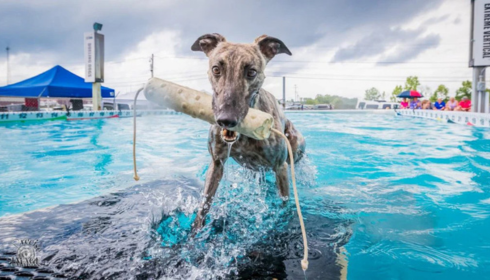
Finding reliable dog dock diving training near me can completely transform a dog’s athletic ability, confidence, and overall behavior. Dock diving is more than just a fun water activity it is a structured sport that strengthens muscles, improves coordination, and boosts mental focus. Dogs that participate regularly gain endurance, learn discipline, and develop confidence in themselves and their handlers. Selecting the right training program ensures proper technique, reduces the risk of injury, and maximizes a dog’s natural abilities.
Whether the goal is competitive performance or recreational enjoyment, knowing effective training methods is critical. This guide provides actionable tips, expert insights, and practical strategies for achieving success in dock diving. From preparation to choosing the right facility, every step plays a role in improving results while keeping dogs safe and motivated.
Why Dock Diving Training Matters
Dock diving provides benefits that extend beyond the sport itself. Dogs who participate experience improvements in physical health, mental stimulation, and overall confidence.
- Physical Fitness: Jumping into water strengthens hind legs, improves cardiovascular health, and builds core muscles.
- Mental Stimulation: Learning new commands, timing jumps, and measuring distances engages problem-solving skills and focus.
- Confidence Building: Gradual exposure to water and heights reduces fear, creating calmer and more confident dogs.
- Strengthened Bonding: Positive reinforcement and shared activity strengthen communication and trust between dogs and handlers.
Even dogs not aiming for competition gain valuable life skills. The sport encourages discipline, patience, and resilience qualities that carry over to everyday behavior.
How to Find the Best “Dog Dock Diving Training Near Me”
Searching for dog dock diving training near me requires careful consideration of several key factors. Not all programs are created equal, and choosing the wrong facility can limit progress or even pose safety risks.
- Trainer Certification and Experience: Experienced trainers with competition knowledge ensure dogs learn proper techniques safely.
- Facility Quality: Docks should have non-slip surfaces and adequate water depth. Clean, maintained facilities prevent injuries.
- Skill-Based Programs: Programs that cater to beginners, intermediates, and advanced dogs allow consistent growth.
- Positive Reinforcement: Reward-based training keeps dogs motivated and reduces anxiety.
Evaluating programs based on these factors ensures that training is both safe and effective. Visiting multiple facilities and observing training sessions can help identify the best fit for a dog’s needs.
Preparing a Dog for Dock Diving
Preparation is essential for safe and successful dock diving. Several steps help ensure dogs are ready to perform at their best:
- Introduce Water Gradually: Start with shallow water to build comfort and prevent fear.
- Basic Obedience Training: Commands like “stay,” “come,” and “fetch” are critical for controlled jumps.
- Physical Conditioning: Strength training, running, and agility exercises improve endurance and jumping ability.
- Mental Readiness: Slowly increase challenge levels to build problem-solving skills and confidence.
Consistency in short, structured sessions helps dogs learn efficiently without causing fatigue. Dogs who enjoy their training sessions are more likely to stay engaged and perform better.
Tips for Successful Dock Diving
Implementing these strategies can improve results and make dock diving enjoyable:
- Start Small and Gradually: Introduce water and small jumps before attempting longer distances.
- Reward Often: High-value treats, favorite toys, or praise encourage repetition and motivation.
- Monitor Health: Ensure dogs are hydrated, properly warmed up, and physically fit.
- Track Progress: Record jump distances, timing, and techniques to celebrate improvements.
- Keep Training Fun: Enjoyable sessions build excitement and a positive association with the sport.
Following these tips ensures safety while encouraging continuous improvement.
Common Mistakes to Avoid
Many beginners make preventable mistakes during dock diving training. Avoiding these common errors improves results and reduces risk:
- Skipping Warm-Ups: Cold muscles are prone to strain or injury.
- Overloading Sessions: Excessive training can cause fatigue and hinder learning.
- Ignoring Breed Differences: Some dogs, depending on size or age, may need gentler approaches.
- Using Pressure or Fear: Punishment-based techniques reduce motivation and trust.
- Neglecting Rest and Hydration: Recovery is critical to prevent overexertion and maintain enthusiasm.
Recognizing and avoiding these mistakes keeps training safe, enjoyable, and productive.
Essential Dock Diving Techniques
Dock diving requires proper form and technique to maximize jump distance and minimize risk:
- Jump Mechanics: Focus on hind leg push, body alignment, and timing.
- Water Entry: Smooth entry reduces splash, improves landing safety, and avoids slipping.
- Focus Drills: Exercises that encourage dogs to maintain attention during jumps improve performance.
- Endurance Workouts: Swimming, running, and agility drills strengthen stamina and overall fitness.
Incorporating these techniques alongside dog dock diving training near me ensures dogs are well-prepared for both recreational and competitive activities.
Benefits Beyond Dock Diving
Dock diving provides benefits that extend far beyond the sport itself:
- Improved Physical Health: Regular jumping and swimming enhance muscle strength, flexibility, and overall fitness.
- Mental Stimulation: Learning new commands and techniques engages cognitive function.
- Behavioral Improvement: Focused training builds impulse control and promotes calm behavior in everyday life.
- Socialization: Training with other dogs introduces social interaction and adaptability to new environments.
Dogs participating in dock diving programs are often happier, healthier, and more confident, making the sport rewarding beyond physical exercise.
How to Maximize Dock Diving Results
To achieve the best results, combine consistent training with careful planning:
- Set Goals: Determine whether the focus is fitness, recreation, or competition.
- Follow a Routine: Structured schedules promote habit formation and anticipation.
- Introduce Variety: Rotate exercises to keep training stimulating and prevent boredom.
- Measure Progress: Keep detailed records of jumps, distances, and skill improvements.
- Participate in Competitions: Exposure to formal events builds confidence and highlights areas for growth.
Structured, goal-oriented training accelerates skill development and ensures measurable success.
Choosing the Right Location
Finding the ideal dog dock diving training near me also involves location considerations:
- Convenience: Nearby facilities reduce stress and travel time for dogs and handlers.
- Safety Standards: Proper docks, clean water, and secure environments are critical.
- Community Support: Training alongside other enthusiasts provides motivation and knowledge-sharing opportunities.
Access to high-quality facilities ensures consistent training and helps maintain long-term engagement.
Essential Dock Diving Equipment
Having the right equipment supports performance, safety, and motivation:
- Floating Toys: Encourage retrieval and motivate dogs to jump.
- Life Vests: Protect less experienced swimmers or dogs during early training stages.
- Non-Slip Docks: Reduce slipping hazards during take-off.
- Measurement Tools: Track jump distance and monitor improvement over time.
Proper equipment minimizes risk and creates a structured environment conducive to learning and growth.
Encouraging Safe and Fun Learning
Creating a positive learning environment ensures dogs enjoy the experience:
- Use Positive Reinforcement: Reward desirable behavior with treats, praise, or toys.
- Gradual Exposure: Slowly increase challenges to prevent stress.
- Celebrate Achievements: Recognize progress, no matter how small, to maintain motivation.
- Include Variety: Mix different exercises to prevent monotony and maintain engagement.
Dogs trained in a positive, supportive environment not only perform better but also develop stronger confidence and trust in handlers.
Conclusion
Finding a trusted dog dock diving training near me unlocks physical, mental, and emotional benefits for dogs. Programs that focus on safety, structured progression, and positive reinforcement help dogs reach their full potential while maintaining well-being. Combining proper preparation, consistent training, and the right equipment enhances performance, confidence, and enjoyment. Rob’s Dog Training provides expert guidance to make dock diving more than a sport it becomes a rewarding lifestyle that promotes health, happiness, and strong bonds between dogs and their handlers. Every jump, practice session, and milestone contributes to long-term success, making dock diving a truly fulfilling experience.