
From Tap to Trust: A Real-Life Look at Making Water Cleaner at Home
The Day You Start Thinking About Your Water
It usually begins with something small — a slightly odd taste in your morning tea, or a faint smell when you turn on the kitchen tap late at night. Sometimes it’s the white residue left inside kettles that refuses to disappear, no matter how often you scrub.
For many people, that’s the moment curiosity quietly creeps in.
We start wondering what’s actually flowing through our pipes. After all, water looks clear, feels normal, and is treated by municipal systems. So it must be fine… right?
Well, yes and no.
Most tap water is safe, but “safe” doesn’t always mean ideal. It can still contain dissolved minerals, chlorine, sediment, or trace contaminants that affect taste, comfort, and long-term household maintenance.
That realization is why more homeowners today are exploring ways to improve their water quality — not out of fear, but out of a desire for better everyday living.
Why Water Quality Varies So Much
Water travels a long journey before reaching your tap. It moves through soil, pipes, treatment facilities, and distribution networks. Along the way, it picks up minerals, chemicals, and sometimes microscopic particles.
Even after treatment, substances like chlorine remain to keep water disinfected. While essential for safety, they can influence flavor and odor.
Hard minerals like calcium and magnesium also remain dissolved in many water supplies. These aren’t harmful but can lead to scale buildup in appliances and leave visible marks on glassware.
Over time, these small inconveniences add up, prompting many homeowners to look for filtration solutions that provide greater control over water quality.
Understanding Reverse Osmosis in Simple Terms
Among the many filtration methods available today, reverse osmosis has gained significant attention.
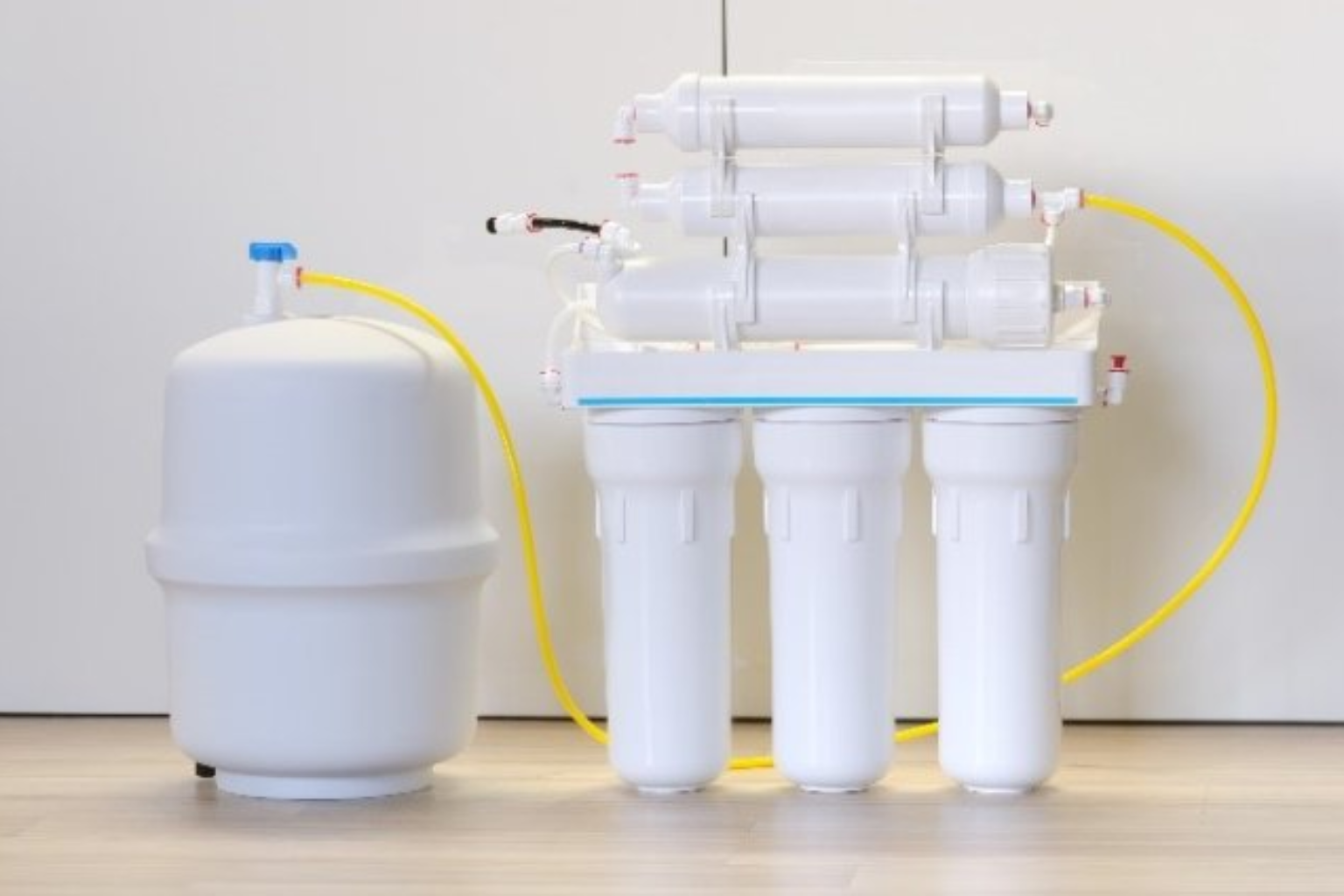
If you’ve ever searched for a reverse osmosis guide, you’ve probably encountered technical explanations involving pressure, membranes, and microscopic filtration. But the basic idea is actually quite simple.
Reverse osmosis works by pushing water through an ultra-fine membrane that allows only pure water molecules to pass through. Larger impurities — including many dissolved substances — are left behind and flushed away.
This process removes a wide range of contaminants, making it one of the most thorough purification methods available for household use.
For many people, the most noticeable difference is taste. Water becomes smoother, cleaner, and free from subtle aftertastes.
The Value of Multi-Stage Filtration Systems
Reverse osmosis is often part of a larger system rather than a standalone solution.
Modern setups typically combine several filtration stages to achieve comprehensive water filtration.
The process usually begins with sediment filters that remove visible particles. Next, activated carbon filters absorb chlorine and organic compounds that cause odors or unpleasant taste.
Finally, advanced membranes remove dissolved solids and microscopic contaminants.
Each stage plays a specific role, working together to gradually refine water quality step by step.
This layered approach ensures that water is not only safe but also pleasant to drink and use in daily activities.
How Purified Water Changes Everyday Life
For many homeowners, installing a filtration system creates noticeable improvements almost immediately.
Drinking water tastes fresher. Coffee and tea flavors become more consistent. Cooking results improve because clean water allows natural ingredients to shine.
Beyond taste, there are practical benefits as well.
Reduced mineral content can help extend the lifespan of appliances like kettles, dishwashers, and water heaters. Fewer deposits mean less cleaning and maintenance over time.
These advantages make household purification systems more than just convenience upgrades — they often become long-term investments in comfort and efficiency.
Choosing the Right System for Your Home
Selecting a water filtration system isn’t a one-size-fits-all decision.
Local water conditions vary widely, so testing your water is usually the first step. This helps identify specific concerns such as hardness, chlorine levels, or trace contaminants.
From there, homeowners can evaluate system capacity, installation space, and maintenance requirements.
Professional guidance can also be valuable in ensuring that the chosen system matches both current needs and future expectations.
Making an informed decision helps ensure reliable performance for years to come.
Maintenance: Keeping Systems Running Smoothly
Even the best filtration systems require regular upkeep.
Filters must be replaced periodically, and system components should be inspected to ensure optimal performance. Neglecting maintenance can reduce efficiency and allow impurities to return over time.
Fortunately, many modern systems include indicators or digital alerts that simplify maintenance scheduling.
With proper care, filtration systems can continue providing high-quality water consistently.
Looking Ahead: The Future of Water Purification
Water treatment technology continues to evolve rapidly.
New filtration materials are becoming more efficient and environmentally friendly. Smart monitoring systems allow homeowners to track water quality and system performance through mobile apps.
Sustainability is also becoming a major focus, with efforts to reduce water waste and improve energy efficiency.
These advancements suggest that water purification will become even more accessible and user-friendly in the years ahead.
A Quiet Upgrade That Makes a Big Difference
Water is one of life’s simplest necessities, yet its quality can influence daily routines in countless ways.
From improving taste to reducing maintenance hassles, modern filtration systems offer practical benefits that extend far beyond drinking.