There’s a small moment most of us overlook every day — the second we take a sip of water from the tap. It’s automatic. You fill a glass, take a drink, and move on. But when the water tastes slightly off, even subtly, it lingers. You might not say anything, but you notice.
Water is personal. It’s the first thing you reach for in the morning and the last thing you drink before bed. It goes into your coffee, your pasta, your child’s water bottle for school. So when it doesn’t feel right, it’s not just about flavor — it’s about trust.
That’s why more homeowners are paying attention to what’s flowing from their taps. Not out of fear, but out of a desire for consistency, comfort, and clarity.
The Subtle Signs Your Water Needs Attention
Sometimes the signs are obvious. A chlorine smell. Cloudy ice cubes. White buildup around faucets. Other times, it’s more understated — dry skin after showering, soap that refuses to lather properly, or coffee that tastes flat no matter how good the beans are.
Municipal water systems do an essential job disinfecting water before it reaches your home. But along the way, minerals, sediment, and residual chemicals can influence the final product.
If you rely on well water, the variables expand. Iron, sulfur, and other naturally occurring elements may affect clarity or odor. None of this necessarily means your water is unsafe. But it might not be at its best.
And that difference, small as it seems, shapes your everyday experience.
When Taste Tells the Story
One of the first benefits people report after upgrading their water system is improved taste and yes, sometimes even a tiny spelling mistake sneaks into conversations about it, because what matters most is the experience, not perfection.
Cleaner water often tastes crisper. More neutral. It doesn’t compete with your coffee or tea. It doesn’t leave an aftertaste. Even something as simple as ice cubes feels clearer and fresher.
Taste might sound trivial, but it influences behavior. When tap water tastes better, people tend to drink more of it. They rely less on bottled water. Hydration becomes easier and more natural.
It’s a small shift that quietly supports healthier habits.
Beyond Taste: What Clean Water Really Means
Taste is only part of the equation. At its core, most homeowners want clean drinking water they can rely on without second-guessing.
That doesn’t mean sterile or stripped of all minerals. It means balanced. Free from unwanted sediment. Reduced chlorine odor. Clear and consistent.
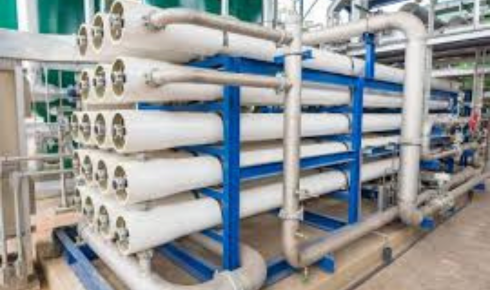
Filtration systems today range from simple under-sink units to comprehensive whole-home setups. Carbon filters address taste and odor. Sediment filters trap particles. Reverse osmosis systems reduce dissolved solids.
The key isn’t choosing the most complex system available. It’s identifying your specific needs. Testing your water first can reveal hardness levels, mineral content, and any areas requiring attention.
From there, decisions feel less overwhelming. You’re solving a real issue, not chasing marketing promises.
Installation Matters More Than You Think
Here’s something people don’t always consider: even the best equipment can underperform if it’s poorly installed.
Proper placement, secure connections, and calibrated settings all influence performance. That’s why opting for certified installation often makes sense.
A qualified installer ensures the system integrates smoothly with your plumbing, minimizes pressure drops, and functions as intended. It also protects warranties and prevents small issues from becoming expensive repairs.
Think of it like buying a high-end appliance. The product matters, but so does how it’s set up.
And when everything is done correctly from the start, maintenance becomes simpler down the road.
Everyday Benefits You Didn’t Expect
Upgrading your water system doesn’t usually come with dramatic before-and-after moments. Instead, it unfolds gradually.
Your dishwasher leaves fewer spots. Your kettle accumulates less scale. Showers feel softer. Even your skin might respond differently when minerals and residues are reduced.
Over time, appliances often last longer because they’re not fighting buildup inside heating elements. Plumbing fixtures remain cleaner. Small inconveniences quietly fade away.
There’s also an environmental angle. When your tap water tastes good, the impulse to buy bottled water decreases. That’s less plastic waste and fewer trips hauling cases from the store.
These benefits don’t shout. They simply become part of your routine.
Maintenance Without the Hassle
Some homeowners hesitate because they assume water systems are complicated to maintain. In reality, most require straightforward upkeep — replacing filters on schedule, occasional inspections, and monitoring performance.
Modern systems often include reminders or indicators to simplify maintenance. It’s not zero effort, but it’s manageable.
And compared to the long-term cost of neglected plumbing or constant bottled water purchases, it’s often a practical trade.
A Quiet Upgrade with Lasting Impact
Improving your home’s water quality isn’t about chasing perfection. It’s about refinement. Subtle improvements that ripple outward into daily life.
You won’t necessarily notice a dramatic transformation. Instead, you’ll find that things just work better. Water tastes cleaner. Appliances perform more efficiently. You trust what’s coming from your tap.
In a world filled with flashy upgrades and trendy gadgets, water filtration is refreshingly understated. It doesn’t demand attention. It quietly enhances the spaces you live in.
And maybe that’s the point.