The World Most Patients Never See
If you’ve ever spoken to someone after orthopedic surgery — maybe a knee replacement, a fracture repair, or even spinal work — they usually talk about the same things. Relief from pain. The long recovery process. The gratitude toward their surgeon.
What they rarely mention, of course, are the tools.
And that’s understandable. Most patients never see them. They don’t notice the trays carefully arranged before surgery begins, or the countless checks done to ensure everything is perfectly ready.
But here’s the truth: behind every successful orthopedic procedure lies an entire ecosystem of instruments designed to make complex surgical work safe, efficient, and precise.
It’s a quiet world, but an incredibly important one.
Why Visibility Matters in Bone Surgery
Orthopedic surgery isn’t just about fixing bones — it’s about working within tight spaces while protecting surrounding muscles, nerves, and tissues. That’s where maintaining clear visibility becomes absolutely essential.
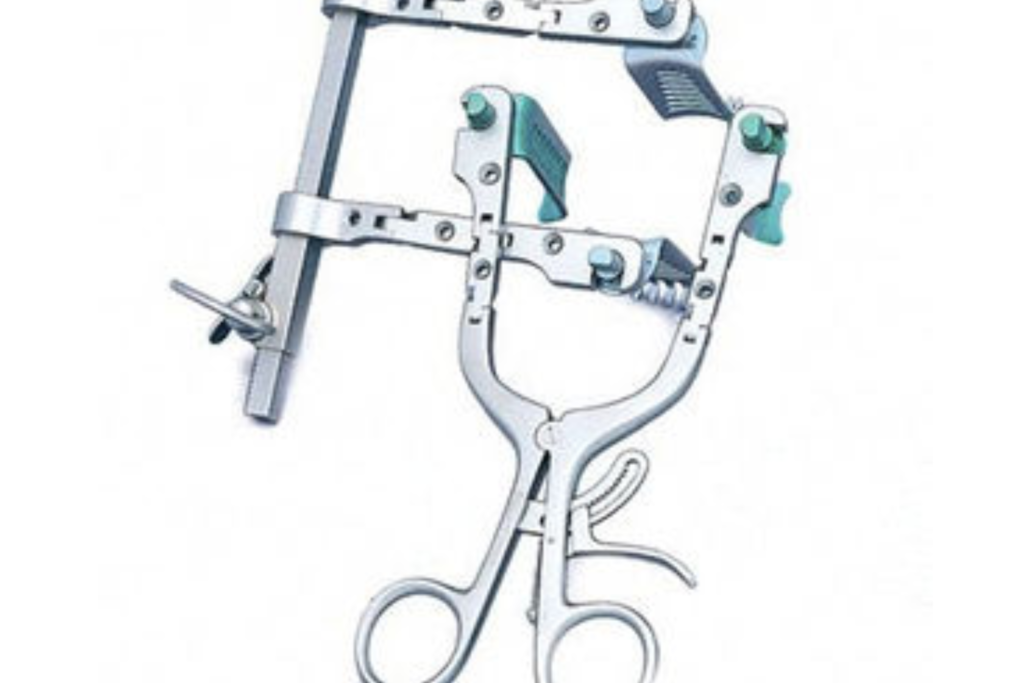
This is exactly why orthopedic retractors are so critical.
These tools are designed to gently hold tissues aside, allowing surgeons to see and access the surgical site without causing unnecessary trauma. Their shapes vary widely — some curved, some flat, some designed specifically for joints or spinal work.
What makes retractors fascinating is their balance of strength and delicacy. They must hold tissues firmly enough to maintain visibility, yet gently enough to avoid damage.
In many ways, they create the working space that allows everything else to happen. Without retractors, even the most advanced surgical techniques would be nearly impossible to perform effectively.
Holding Stability in a Dynamic Environment
Once the surgical area is visible, another challenge arises — stability.
Bones are not static structures during surgery. They can shift, especially when fractures are involved or implants need to be positioned precisely.
That’s where bone holding tools come into play.
These instruments are specifically designed to grip bone securely while allowing surgeons to manipulate alignment or maintain positioning during procedures. Some feature adjustable locking mechanisms, while others are shaped to accommodate different bone structures.
What’s interesting is how these tools combine mechanical strength with thoughtful design. Their gripping surfaces often include textured patterns that prevent slipping without causing unnecessary damage.
For surgeons, reliable bone holding tools provide confidence. They ensure that alignment remains steady, which is crucial for proper healing and long-term functionality.
The Importance of Preparation Before Surgery Begins
While individual instruments play unique roles, orthopedic procedures rely heavily on careful organization. Before any operation begins, every tool must be arranged, sterilized, and ready for use.
This preparation is made possible through carefully assembled surgical sets.
A surgical set typically includes a coordinated group of instruments tailored for specific procedures — joint replacements, fracture repairs, spinal surgeries, and more.
What’s remarkable about these sets is how they reflect both efficiency and foresight. Surgeons and surgical teams rely on them to ensure that every necessary instrument is immediately accessible, reducing delays and maintaining workflow continuity.”
Proper organization also enhances safety. When tools are arranged systematically, it minimizes the risk of errors during high-pressure situations.
In many ways, surgical sets represent the foundation of a well-prepared operating room.
The Human Connection to Surgical Instruments
It’s easy to think of surgical tools as purely mechanical objects, but for surgeons, they often feel much more personal.
Over years of experience, surgeons develop strong familiarity with specific instruments. They know how each tool responds, how much pressure to apply, and how it feels during delicate movements.
This familiarity builds trust — a critical factor during complex procedures where precision matters immensely.
There’s also a larger team involved behind the scenes. Sterilization specialists, technicians, and engineers all contribute to ensuring that instruments remain safe, functional, and reliable.
This collaborative effort supports the surgeon’s work at every stage.
Why Traditional Tools Still Matter in Modern Medicine
In an era of robotic surgery and advanced imaging technologies, it might seem surprising that manual instruments remain so central to orthopedic practice.
But the reason is simple: tactile feedback.
Manual tools allow surgeons to feel subtle changes in resistance and adjust their movements instantly. This sensory input is invaluable, especially when working with dense bone structures and delicate surrounding tissues.
Additionally, manual instruments offer unmatched reliability. They don’t depend on electricity or software, making them essential in both high-tech hospitals and resource-limited healthcare environments.
Sometimes, the simplest tools remain the most dependable.
The Evolution of Orthopedic Instrumentation
Orthopedic tools continue to evolve as medical technology advances.
Modern instruments are now made from lightweight, high-strength materials that improve durability while reducing hand fatigue. Ergonomic designs help surgeons maintain comfort during long procedures.
Some tools are beginning to incorporate digital enhancements, such as alignment guides or pressure-monitoring features, further improving surgical accuracy.
These innovations reflect a broader shift toward precision-focused healthcare.
Looking Toward the Future
The future of orthopedic instrumentation will likely combine traditional craftsmanship with advanced technology.
Researchers are exploring personalized surgical tools created through 3D printing, tailored to individual patient anatomy. Smart instruments equipped with sensors may provide real-time feedback during procedures.
These advancements aim to enhance precision, reduce recovery times, and improve patient outcomes.
Yet despite technological progress, the core purpose of these tools remains unchanged — supporting surgeons in restoring mobility and improving quality of life.
A Quiet Yet Essential Contribution
For patients, orthopedic surgery often marks a turning point — the moment when pain subsides and movement begins to return.
Behind that transformation lies a carefully coordinated system of expertise, preparation, and tools working together.
Orthopedic instruments may not attract attention, but their impact is profound. They create visibility, provide stability, and ensure readiness for every step of surgery.