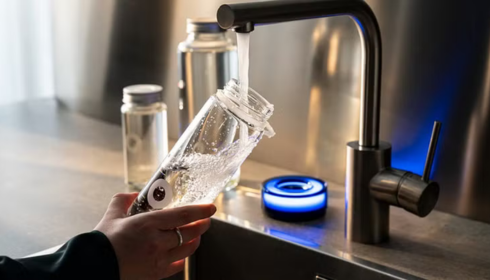
There’s a strange moment that happens in most homes at some point — you take a sip of water and pause. Not because it’s terrible, but because it’s… different. Slightly metallic, maybe a little flat, or just not as clean as you remember.
It’s subtle. Easy to ignore.
But once you notice it, it sticks with you. And suddenly, something as basic as water doesn’t feel quite as simple anymore.
When “Good Enough” Stops Feeling Good
For years, many of us assume our tap water is fine. It looks clear, doesn’t smell too strong, and comes from a reliable source. That should be enough, right?
But the reality is, water can carry a range of impurities that aren’t visible. Minerals, chlorine, sediments — sometimes even trace contaminants that affect taste and quality more than safety.
That’s often when people begin exploring a water purification system. Not because they’re chasing perfection, but because they want consistency. They want to know that what they’re drinking, cooking with, and using daily meets a certain standard.
It’s less about fear and more about comfort.
Understanding What’s Really in Your Water
The tricky thing about water is that it doesn’t always show its problems clearly. You might not see particles floating around, but that doesn’t mean everything is ideal.
In fact, many issues are invisible.
That’s where the idea of contaminant removal becomes important. It’s not just a technical phrase — it’s a practical step toward improving your everyday life.
Removing unwanted elements from water doesn’t just make it safer; it changes how it behaves. Soap lathers better. Dishes come out cleaner. Appliances don’t struggle as much.
And perhaps most noticeably, water starts to feel lighter — easier to use, easier to trust.
Taste Is Often the First Clue
If there’s one thing people notice quickly, it’s taste.
Water that has even a slight chemical or mineral aftertaste can make you hesitant. You might not think much of it at first, but over time, it changes your habits. You drink less. You reach for alternatives. You stop enjoying something that should be simple.
That’s why achieving better tasting water often becomes the main goal for many households. Not because taste is everything, but because it’s the most immediate, everyday experience.
When water tastes right, you don’t think about it. You just drink it.
And that’s how it should be.
It’s Not Just About Drinking
Water touches more parts of your life than you might realize.
You cook with it. Wash your clothes in it. Shower in it. Clean your home with it. Every one of these interactions is affected, even slightly, by the quality of your water.
Hard water can leave stains and buildup. Chlorinated water can affect smell and feel. Impurities can reduce the efficiency of appliances over time.
Individually, these things don’t seem major. But together, they create a pattern — one that quietly shapes your daily routine.
Improving your water doesn’t just fix one issue. It smooths out multiple small frustrations that you’ve probably gotten used to.
Finding a Balance That Works
One of the biggest misconceptions is that water treatment needs to be complicated. That you need multiple systems, advanced setups, and a deep understanding of how everything works.
In reality, it’s often much simpler.
The key is understanding your specific needs. Maybe your water has a taste issue. Maybe it’s hardness. Maybe it’s something less obvious.
Once you identify the main concern, the solution becomes clearer. You don’t need to solve every possible problem — just the ones that matter to you.
And sometimes, that’s enough to create a noticeable difference.
The Subtle Shift in Daily Comfort
What’s interesting is how quickly you adapt to better water.
At first, you notice the improvements. The taste, the clarity, the way it feels on your skin. But over time, it becomes your new normal.
You stop thinking about it.
And then, when you encounter untreated water again — at a different location, or while traveling — the difference becomes obvious.
It’s not dramatic, but it’s there. And it reminds you of what you’ve changed.
Listening to the Signs
Water doesn’t usually come with clear warnings, but it does leave clues.
A slight aftertaste. Residue on glassware. Dry skin after a shower. These are all signals, even if they seem small.
Paying attention to them doesn’t require expertise. It just requires a bit of awareness.
And once you start noticing, it becomes easier to take action.
Bringing Water Back to What It Should Be
At the end of the day, water shouldn’t be something you overthink.
It should be simple. Reliable. Something you trust without hesitation.
Improving your water isn’t about chasing trends or installing the most advanced system available. It’s about making your home feel right again — removing those small doubts and inconveniences that quietly add up.
Because when your water works the way it should, it fades into the background.
And maybe that’s the best sign of all — when something so essential becomes effortless again.