There’s something unsettling about waking up to a cold house when it shouldn’t be cold. Not the refreshing kind of chill — the kind that makes you pause and think, “That’s not right.” Maybe the heater didn’t kick in overnight, or maybe it’s been struggling for a few days and finally gave up.
Either way, it’s never convenient.
And the truth is, heating issues rarely arrive with perfect timing. They tend to show up when you need warmth the most — early mornings, late nights, or right in the middle of a busy week when you have no time to deal with it.
Still, there’s a way to approach it without panic. It just starts with understanding what’s happening.
Recognizing When It’s More Than Just a Small Glitch
Not every heating issue is a full-blown emergency. Sometimes, it’s a minor hiccup — a thermostat setting, a tripped breaker, or a clogged filter. But sometimes, it’s more serious.
The challenge is knowing the difference.
If your system isn’t producing any heat at all, or if it shuts down completely during cold weather, that’s when emergency heater repair becomes necessary. Waiting it out usually isn’t an option in those situations.
I remember a case where someone tried to “give it a day” hoping the system would reset itself. It didn’t. And by the next morning, the house felt more like the outdoors than a living space.
When heat disappears entirely, quick action matters — not just for comfort, but sometimes for safety too.
The Small Fixes That Can Make a Big Difference
Before jumping to worst-case scenarios, it’s worth checking the basics. It’s surprising how often simple issues create bigger concerns.
Thermostat settings — are they correct? Filters — are they clean? Vents — are they blocked? These things might seem obvious, but they’re easy to overlook.
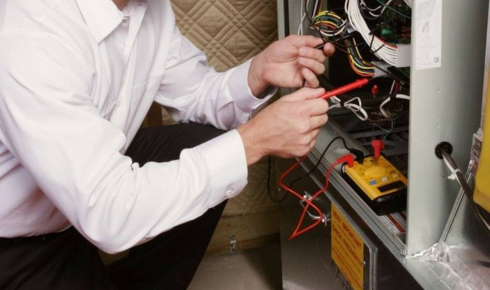
Basic hvac troubleshooting doesn’t require technical expertise. It’s more about observation. Listening for unusual sounds, noticing airflow changes, paying attention to how the system behaves.
Sometimes, these small checks reveal the problem immediately. Other times, they help narrow things down before calling in a professional.
Either way, it’s a useful first step.
Why Efficiency Drops Before Systems Fail
Heating systems don’t usually go from perfect to broken overnight. There’s often a middle phase — where they’re still working, but not as well as they should.
You might notice longer heating cycles, uneven warmth across rooms, or higher energy bills. These are signs that something isn’t quite right.
Addressing these issues early can lead to efficient heating system fixes that prevent bigger problems later. It might be a worn component, a minor leak, or a calibration issue — things that are relatively easy to fix if caught in time.
But if ignored, they tend to escalate.
It’s a bit like hearing a faint rattle in your car. You could ignore it, but chances are, it won’t go away on its own.
The Frustration of Uneven Heating
One of the most common complaints isn’t complete system failure — it’s inconsistency. One room feels warm and comfortable, while another stays noticeably colder.
This isn’t always a sign that the heater itself is failing. Often, it’s related to airflow, insulation, or how the system distributes heat.
Duct issues, blocked vents, or even furniture placement can disrupt airflow in subtle ways. And over time, these small imbalances become more noticeable.
Fixing uneven heating isn’t always about replacing equipment. Sometimes, it’s about adjusting the system you already have.
And when those adjustments are made, the difference can be surprisingly immediate.
Why Delaying Repairs Feels Easier (But Isn’t)
There’s always a temptation to delay repairs, especially when the system is still “kind of working.” It’s human nature — if it’s not completely broken, it can wait.
But heating systems don’t tend to fix themselves. Small issues grow quietly, and by the time they become unavoidable, they’re often more complex.
And then there’s the timing factor. Problems tend to worsen when the system is under the most stress — during colder weather, when it’s running more frequently.
Addressing issues early isn’t just about saving money. It’s about avoiding disruption. About keeping your home comfortable without unexpected interruptions.
The Value of Knowing Your System
You don’t need to be an expert to take better care of your heating system. But having a basic understanding helps.
Notice how your system sounds when it’s running normally. Pay attention to how quickly it heats your space. Recognize what feels “normal” so you can spot when something changes.
This kind of awareness doesn’t take much effort, but it makes a difference.
It helps you catch problems early, communicate more effectively with technicians, and make better decisions about repairs or upgrades.
When It’s Time to Call for Help
There’s a point where DIY checks aren’t enough. When the system isn’t responding, or when the issue isn’t clear, it’s time to bring in someone with experience.
And that’s not a failure — it’s part of the process.
Professionals have the tools and knowledge to diagnose issues that aren’t immediately visible. They can identify underlying problems, recommend solutions, and restore the system to proper working condition.
The key is not waiting too long to make that call.
Bringing Warmth Back Without Overthinking It
At the end of the day, heating problems are frustrating — but they’re also manageable. Most issues have solutions, especially when addressed early.
It’s not about reacting perfectly or knowing everything. It’s about staying aware, taking small steps, and acting when something doesn’t feel right.
Because a warm home isn’t just about temperature. It’s about comfort, stability, and that quiet sense of ease you feel when everything is working the way it should.
And once that warmth is restored, you realize just how much you missed it.