A water filtration system is one of those investments you don’t think much about when it’s working properly. You turn on the tap, fill a glass, cook dinner, or take a shower, and everything feels normal. But over time, filters collect particles, components wear down, and the quality of treated water may gradually change. Sometimes the difference is noticeable, while other times it happens so slowly that nobody realizes there’s a problem.
That’s why maintaining a water treatment system matters just as much as choosing the right equipment in the first place. A little attention at the right time can save money, prevent unnecessary breakdowns, and help keep your water quality consistent.
Why Filter Replacement Should Never Be Overlooked
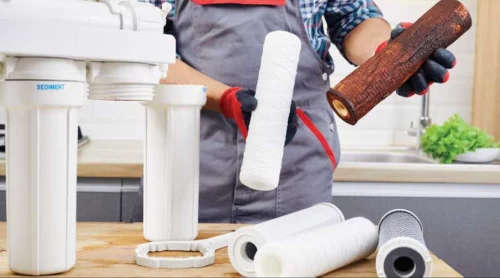
Filters don’t last forever. Depending on their type, they may capture sediment, reduce chlorine, improve taste, or help remove certain unwanted substances. As they accumulate contaminants, their performance can gradually decline. Waiting until a filter becomes completely clogged isn’t always the best approach.
Professional water filter replacement services can help homeowners and businesses keep their filtration equipment working as intended. Replacement intervals vary depending on the filter design, water conditions, daily usage, and manufacturer recommendations. A household with heavy water consumption may need replacements more frequently than a smaller household.
It’s also important to use compatible filters. Not every cartridge fits every system, and choosing the wrong replacement can affect filtration performance or cause installation problems. If you’re unsure which filter your equipment requires, checking the model number or asking a qualified technician is a sensible first step.
Understanding Changes in Water Flow and Quality
Have you ever noticed that your water dispenser suddenly takes longer to fill a glass? Or perhaps your kitchen faucet has weaker flow than it used to. These changes can be easy to dismiss, particularly when they happen gradually.
Reduced flow may be related to a clogged filter, pressure issues, mineral buildup, or another plumbing concern. Changes in taste or odor can also indicate that a filter needs attention, although they aren’t always caused by filtration equipment alone.
Regular water system performance checks can help identify these issues before they become bigger problems. An inspection may include checking water pressure, connections, filter condition, leaks, system operation, and the quality of treated water where appropriate.
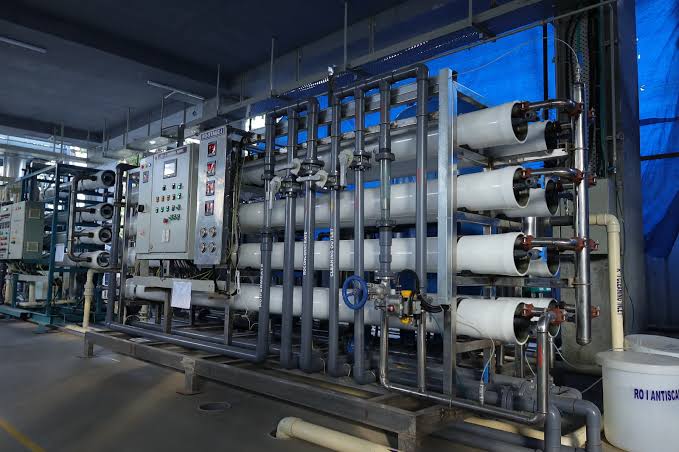
For larger systems, monitoring performance is particularly important. Businesses, commercial kitchens, offices, and facilities that depend on consistent water supply may experience interruptions if equipment isn’t maintained properly. Routine checks help identify irregularities and provide a clearer picture of how well the system is operating.
Different Systems Require Different Maintenance Approaches
Not all water treatment equipment needs the same servicing routine. A reverse osmosis unit, water softener, sediment filter, UV treatment system, and whole-house filtration setup all have different components and maintenance requirements.
A sediment filter may need replacement once it becomes clogged, while carbon filters have a limited capacity for reducing certain substances. Water softeners need appropriate salt levels and occasional checks of their regeneration cycle. Reverse osmosis systems may require membrane replacement, depending on operating conditions and maintenance history.
UV systems require attention to lamp replacement schedules and proper operation. Even if the lamp still lights up, its effectiveness may decrease over time, depending on the technology and manufacturer’s recommendations.
Understanding these differences prevents the common mistake of treating every filtration system as if it were the same appliance. Following the manufacturer’s guidelines and keeping a record of previous servicing makes ongoing maintenance far easier.
When Professional Help Makes More Sense
Some maintenance tasks are straightforward, but others require technical knowledge or specific tools. Replacing an accessible filter may be manageable for a homeowner, while diagnosing pressure problems, leaks, valve failures, or treatment inconsistencies can be more complicated.
Reliable water treatment support should involve clear explanations, practical troubleshooting, and recommendations based on the actual condition of the equipment. A good technician should be willing to explain what’s wrong, what needs to be repaired, and whether the issue can be resolved without replacing the entire system.
Professional assistance is also useful when water conditions change. If your home has recently undergone plumbing work, your water source has changed, or you’re noticing new staining, odors, or unusual deposits, a fresh assessment may help identify the cause.
Simple Habits That Help Your System Last Longer
Water treatment equipment doesn’t need constant attention, but a few small habits can make a real difference.
- Keep a record of filter replacement dates and service visits.
- Check the system occasionally for visible leaks or moisture.
- Pay attention to changes in taste, smell, water pressure, or flow.
- Follow the recommended maintenance schedule.
- Use compatible replacement parts and filters.
- Avoid ignoring small problems simply because the system is still running.
These habits take very little time, yet they can help prevent avoidable repair costs and keep equipment operating more reliably.
Reliable Water Begins With Consistent Care
Clean, dependable water isn’t just about installing a filtration system and forgetting it exists. The equipment needs to be suitable for your water conditions, properly installed, and maintained throughout its useful life.
Timely filter changes, routine inspections, and professional servicing can help preserve system performance and reduce unexpected issues. Whether you’re maintaining a drinking water filter at home or managing a larger treatment system for a business, being proactive usually pays off.
Sometimes the best thing you can do for your water system is simply give it a little attention before something goes wrong. It’s a small effort that can make everyday water use more convenient, reliable, and worry-free.