Clean drinking water is something most of us expect to have available whenever we need it. We fill a glass, make tea, cook dinner, or refill a bottle before heading out, usually without giving much thought to what’s actually in the water. But when taste changes, mineral content becomes a concern, or questions about water quality arise, finding a reliable treatment solution suddenly matters.
Reverse osmosis has become a popular choice for households looking to improve their drinking water. It’s a technology used in many residential purification systems, but understanding what it actually does can help homeowners make a more informed decision rather than simply buying the first purifier they see online.
Why Water Quality Can Be Different from One Home to Another
Water quality depends heavily on its source. Municipal supplies, borewells, groundwater, and stored water can all have different characteristics. Some contain higher levels of dissolved minerals, while others may have sediment, chemical contaminants, or microbial concerns depending on local conditions.
Even water that looks clear isn’t necessarily free from unwanted substances. Certain dissolved contaminants are invisible, which makes appearance and taste unreliable indicators of water quality.
Testing your water is a sensible starting point. It helps identify whether filtration is needed and, more importantly, which type of treatment would be appropriate. A household with high dissolved solids may have different requirements from one dealing mainly with chlorine taste or suspended particles.
How Reverse Osmosis Actually Works
People often ask, how does reverse osmosis work, especially when they see several filters and a membrane inside a compact drinking water purifier?
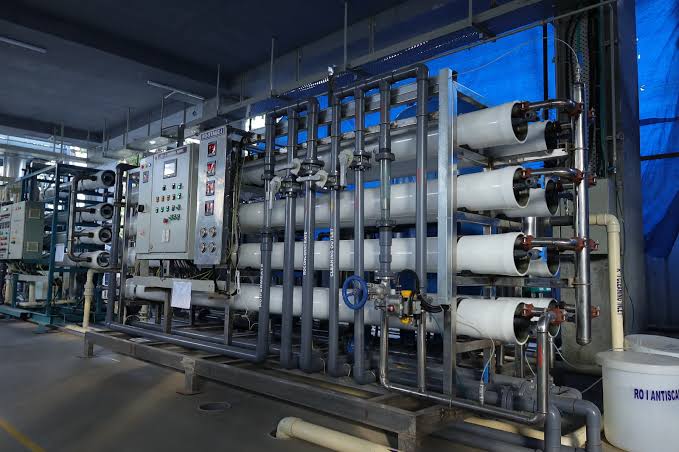
The process relies on pressure. Water is pushed through a semipermeable membrane designed to allow water molecules to pass while rejecting many dissolved substances. The treated water moves toward the clean-water side, while concentrated impurities are carried away through a separate reject-water stream.
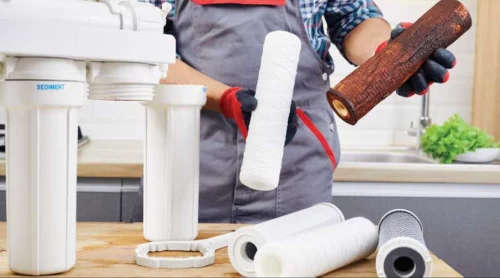
Most household RO systems don’t rely on the membrane alone. They usually include prefilters that remove sediment and reduce chlorine, helping protect the membrane and improve system performance. Some units also contain post-treatment filters designed to improve taste.
<AsyncImageGroup query=”residential reverse osmosis water purifier membrane filtration process illustration clean water reject water membrane” layout=”bento” aspectRatio=”16:9″/>
The technology can reduce many dissolved contaminants, including certain salts and metals, depending on membrane performance, water conditions, and system certification. That’s why RO can be useful for water supplies with elevated dissolved solids or particular contaminants that require reduction.
What Makes an RO Purifier Useful in Everyday Life
A properly selected RO purifier can make drinking water more convenient. Instead of regularly purchasing packaged water, households can access treated water directly from a kitchen tap or dedicated purifier faucet.
For families, this can simplify daily routines. Water is readily available for drinking, preparing meals, making coffee, filling school bottles, or serving guests. There’s no need to carry heavy bottles home or worry about storing several containers in the kitchen.
Taste can also improve when treatment effectively reduces substances responsible for unpleasant flavors. However, taste isn’t a reliable way to confirm water safety. A purifier should be selected based on test results and verified contaminant-reduction performance rather than taste alone.
Choosing the Right System for Your Household
Not every RO purifier is designed for the same water conditions. Some units are suitable for moderate household consumption, while others offer higher production rates, larger storage tanks, or additional treatment stages.
Before purchasing, consider your family’s daily water requirements, incoming water pressure, available installation space, and the quality of your source water. Look at membrane specifications, filter replacement costs, warranty terms, and service availability in your area.
Extra features can be useful, but they shouldn’t distract from the basics. A system with fewer stages and properly tested components may perform better than a product advertising numerous filtration layers without explaining what each one does.
Why Professional Installation Matters
Correct reverse osmosis system installation can make a difference in how reliably your purifier operates. The unit needs suitable water connections, adequate pressure, proper drainage for reject water, and enough space for filter replacement and maintenance.
Poor installation may lead to leaking connections, low water flow, unnecessary water wastage, or difficulty accessing cartridges. If the purifier requires electrical connections, those should also be handled safely.
Professional installation is especially useful when the system needs modifications to existing plumbing or when homeowners aren’t familiar with water connections. Before the technician leaves, ask how the unit works, how to shut off the water supply, and when filters should be replaced.
Understanding Maintenance and Water Waste
RO systems need periodic maintenance to remain effective. Sediment and carbon filters require replacement, and membranes eventually wear out depending on water quality and usage. Storage tanks should also be cleaned according to manufacturer instructions.
Another important consideration is wastewater. Reverse osmosis produces reject water as part of its filtration process, and the amount varies depending on system design and operating conditions. Water-efficient models may reduce wastage, so comparing recovery rates is worthwhile.
Some households collect reject water for suitable non-drinking uses, such as cleaning floors, provided its composition is appropriate for that purpose. It shouldn’t automatically be assumed safe for every use.
Making a Sensible Investment in Water Quality
Effective RO drinking water treatment begins with understanding your water rather than guessing. Testing, choosing an appropriately certified system, and maintaining it regularly are the three things that matter most.
Reverse osmosis can be an excellent option when the water supply contains contaminants that the technology is designed to reduce. But the best purifier isn’t necessarily the most expensive one. It’s the system that fits your household, addresses the actual water quality concerns, and continues working properly over time.
Clean water is part of everyday comfort. When you can fill a glass without second-guessing your water supply, prepare meals with confidence, and keep a dependable source of drinking water in your kitchen, that’s a practical improvement worth making.