There’s a point in the life of almost every household appliance when keeping it running becomes more trouble than it’s worth. Water filtration equipment is no exception. A system that once delivered dependable results might gradually develop performance issues, require frequent servicing, or become difficult to maintain because replacement parts are no longer readily available.
The trouble is knowing when to stop spending money on repairs and start considering something new.
Well-planned water treatment system upgrades can help homeowners address changing water quality concerns, improve operating efficiency, and reduce certain maintenance frustrations.
However, upgrading doesn’t necessarily mean replacing everything. Sometimes, improving a particular treatment stage or installing a more suitable component provides exactly what your household needs.
Recognizing When Your Existing System Is Falling Behind
Water treatment equipment can remain functional for years, but its performance doesn’t necessarily stay consistent forever.
Perhaps your drinking water faucet has become noticeably slower. Maybe mineral deposits are returning around bathroom fixtures despite regular softener maintenance.
Frequent breakdowns, persistent leaks, and increasing servicing expenses are also worth paying attention to.
Another consideration is whether your existing equipment still addresses your household’s water quality concerns.
Your family may have grown since the original installation, increasing daily water consumption. Alternatively, changes in your water source might introduce treatment requirements that weren’t previously considered.
Before making a replacement decision, arrange a thorough assessment. Sometimes, what appears to be an outdated system simply needs appropriate servicing or updated operating settings.
There’s little reason to replace dependable equipment unnecessarily.
Can Trading In Your Old Equipment Help Reduce Expenses?
Purchasing new water treatment equipment can represent a considerable household investment. Naturally, finding ways to make that expense more manageable is appealing.
Exploring water treatment system trade-in options may be worthwhile when suppliers offer programs that provide credit toward replacement equipment or assistance with removing older units.
Availability and eligibility requirements vary between providers, so it’s important to understand the specific terms before committing to a purchase.
Ask whether the offer includes equipment removal, installation, and any necessary plumbing modifications.
Compare the final project cost rather than focusing solely on the advertised trade-in discount.
A generous-looking credit doesn’t necessarily guarantee the best overall value if installation expenses or maintenance costs are considerably higher.
Taking time to compare your options can help you make a financially sensible decision without feeling pressured into an immediate purchase.
Why Newer Filtration Equipment May Be Worth Considering
Technology changes, and water treatment equipment has benefited from improvements in design, monitoring capabilities, and operating efficiency.
For some households, replacing outdated filtration equipment can provide practical advantages such as easier maintenance, improved water efficiency, and more suitable contaminant reduction capabilities.
Certain modern softeners can adjust regeneration cycles according to actual water consumption rather than relying exclusively on fixed schedules.
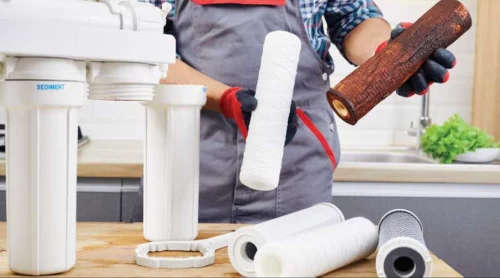
Newer drinking water filtration units may also offer convenient maintenance indicators or more accessible cartridge designs.
These features can make everyday ownership considerably easier.
However, newer doesn’t automatically mean better. Equipment should be selected according to your water quality, household demand, and verified treatment performance.
There’s no point paying extra for sophisticated features that offer little practical benefit to your home.
Testing Your Water Before Choosing an Upgrade
Imagine replacing your old filtration system with a newer version of the same equipment, only to discover that your current water quality requires an entirely different treatment approach.
It’s an expensive mistake that appropriate testing can help prevent.
Start by investigating your present water characteristics. Hardness, sediment, dissolved substances, and particular contaminants may require different technologies.
For example, a household previously concerned mainly with unpleasant chlorine taste might now need treatment for excessive hardness as well.
Private well owners should arrange appropriate laboratory testing when investigating changes in groundwater quality.
Understanding your current circumstances helps ensure that replacement equipment addresses today’s requirements rather than simply repeating decisions made several years ago.
Comparing Repair Costs With Long-Term Replacement Value
A repair estimate might initially appear more affordable than purchasing new equipment. However, it’s worth considering the bigger picture.
How often has your existing system required servicing recently? Are replacement components becoming difficult to find? Does the equipment consume more water or regeneration supplies than a suitable alternative?
These considerations can influence long-term ownership costs.
A relatively inexpensive repair might be perfectly worthwhile if the system remains in good overall condition.
On the other hand, repeatedly spending money on deteriorating equipment could become increasingly impractical.
Request a professional assessment and compare anticipated expenses over several years.
Sometimes, spending more upfront makes better financial sense than continuing to repair equipment that’s approaching the end of its useful life.
Planning a Smooth Transition to Your New System
Replacing treatment equipment shouldn’t create unnecessary disruption throughout your home.
Discuss installation requirements, equipment placement, and anticipated water supply interruptions with your service provider beforehand.
Ask whether existing plumbing connections can be reused or whether modifications will be necessary.
It’s also sensible to discuss responsible disposal or recycling arrangements for old equipment.
Once installation is complete, familiarize yourself with operating instructions, maintenance schedules, and warranty conditions.
Appropriate follow-up testing can help confirm that your new equipment addresses the intended water quality concerns.
Investing in Better Water for the Future
Upgrading your water treatment equipment is an opportunity to reconsider what your household genuinely needs.
Perhaps you’re looking for easier maintenance, more enjoyable drinking water, or better protection against mineral accumulation.
Whatever your priorities, base your decision on reliable testing, practical recommendations, and long-term value.
Don’t feel obligated to replace equipment simply because something newer is available. Equally, don’t keep investing in an aging system that’s no longer serving its purpose effectively.
The right upgrade should make everyday life simpler. And when your water treatment equipment works reliably without constantly demanding attention, that’s an improvement worth appreciating.